

Ever gone to sleep like a normal human and woken up wondering why you were running from a dinosaur, trapped inside your old school, or having a whole emotional conversation with someone you haven’t seen in eight years?
And why did it all feel so REAL?
Welcome to your brain’s unofficial Netflix subscription. The plot is questionable, the special effects are surprisingly good, and nobody knows why your maths teacher suddenly appeared in a dream about flying elephants.
But dreams aren’t just random entertainment. They are experiences connected to sleep, memory, emotions, and brain activity. Scientists have discovered quite a bit about how dreaming works, although the exact reason we dream remains a mystery.
So, why do we dream? And what does science actually say about those weird little movies playing inside our heads?
Let’s find out.
Index
- Why Do We Dream About Being Chased, Running Away, or Getting Trapped?
- Why Do We Dream About People We Haven’t Seen in Years?
- Why Do Dreams Feel So Real?
- Why Do We Have Nightmares and Recurring Dreams?
- Why Do We Forget Our Dreams So Quickly?
- Can Dreams Reveal Our Hidden Emotions?
- Can Dreams Predict the Future?
- What Happens in Your Brain When You Dream?
- What Are Dreams, and Why Do We Dream?
- Frequently Asked Questions About Dreams
- Final Thoughts: Why Do We Dream?
1. Why Do We Dream About Being Chased, Running Away, or Getting Trapped?

Ever dreamed that someone was chasing you, but your legs suddenly decided to operate at 2% battery? Or you were trapped somewhere, desperately searching for an exit that apparently doesn’t exist?
And somehow, despite running for your life, you barely move. Dream physics deserves its own investigation.
Dreams about being chased, escaping danger, or feeling trapped are common themes people report. Researchers have suggested that threatening dreams may sometimes reflect stress, fear, or concerns from waking life. However, there is no single explanation that applies to everyone.
Why does someone keep chasing us in dreams?
The person chasing you might be a stranger, a familiar face, a monster, or something your brain apparently invented five seconds ago.
A chase dream may be connected to feelings of threat or anxiety, but it doesn’t mean someone is secretly after you in real life. Nor does the identity of the person automatically reveal a hidden message.
Why can’t we run properly or escape?
Dreams can involve unusual sensations and impossible situations. There isn’t a proven explanation for why running sometimes feels slow or why exits seem impossible to find.
Feeling trapped in a dream may sometimes resemble feelings of helplessness or pressure in waking life, but that connection isn’t guaranteed.
The takeaway: These dreams can be frightening, but they aren’t predictions of danger. If they happen repeatedly, noticing your stress levels, sleep patterns, and emotions may help you understand whether there’s a personal connection.
Your brain might be processing a difficult feeling. Or it might simply be directing the world’s most unnecessarily stressful action movie.
2. Why Do We Dream About People We Haven’t Seen in Years?

You’re peacefully sleeping when your old school friend suddenly appears in your dream.
You haven’t spoken in years. You barely remember their birthday. Yet there they are, acting like they never left the group chat.
Why?
Your brain stores memories, familiar faces, and emotional associations. Sometimes, it brings someone from your past into a dream without any obvious reason.
But no, it doesn’t mean they miss you, you’re missing them, or they’re secretly thinking about you. There’s no reliable scientific evidence that dreams establish a telepathic connection.
Sometimes, your brain simply opens an old file. No explanation. No permission. Just vibes.
3. Why Do Dreams Feel So Real?

Have you ever woken up feeling heartbroken, terrified, or ridiculously happy because of a dream?
Dreams can feel incredibly real because your brain creates vivid experiences and emotions during sleep. Meanwhile, your critical thinking doesn’t always work the way it does when you’re awake.
You could attend a supermarket wedding with a talking dog as the photographer, and your brain would be like, “Seems reasonable.”
Then you wake up, the wedding is cancelled, the dog is unemployed, and your brain refuses to explain anything.
4. Why Do We Have Nightmares and Recurring Dreams?
Nightmares can leave you terrified, while recurring dreams keep bringing back familiar situations — being chased, falling, getting lost, or showing up somewhere completely unprepared.
Stress, trauma, certain medications, and disrupted sleep can contribute to nightmares. Recurring dreams may sometimes reflect ongoing emotional concerns, but there’s no single explanation for every dream.
And no, dreaming about failing an exam doesn’t mean your future is doomed. Your brain just scheduled an academic crisis at 3 a.m. without checking your calendar.
If nightmares regularly disturb your sleep or affect your daily life, consider speaking with a healthcare professional.
5. Why Do We Forget Our Dreams So Quickly?

You wake up remembering the greatest dream ever created.
Perfect storyline. Unforgettable characters. Oscar-worthy plot.
Then you brush your teeth.
Gone. Deleted. No backup available.
Dreams often fade quickly because they’re not always stored in memory like ordinary experiences. Recall can also depend on when you wake up and individual differences in memory.
Want to remember more? Write down whatever you recall as soon as you wake up, even if it’s just a few keywords.
Because if you open Instagram first, last night’s masterpiece is competing with 47 reels for your brain’s attention.
6. Can Dreams Reveal Our Hidden Emotions?
Sometimes, dreams may reflect emotions or experiences from waking life. Stress might show up as an exam you didn’t study for or an argument you never wanted to have.
But there’s no universal dream dictionary that explains what every symbol means.
Dreaming about your ex doesn’t automatically mean you’re still in love. Falling doesn’t mean you’re losing control. And water? It might just be water.
If a dream sticks with you, think about how it made you feel and whether it connects to anything happening in your life.
Your dreams might give you something to reflect on, but they’re not a psychological diagnosis. Your brain isn’t handing out therapy reports while you sleep.
7. Can Dreams Predict the Future?

Ever dreamed about something and then experienced something similar in real life?
It’s enough to make you wonder if your brain has a secret side hustle as a fortune-teller.
But there’s no reliable scientific evidence that dreams can consistently predict the future.
Sometimes it’s coincidence. Sometimes your brain picks up on patterns you haven’t consciously noticed. And sometimes, you remember the dreams that seem to come true and forget the hundreds that don’t.
A strange coincidence doesn’t make your dream a prediction.
Your brain might be great at spotting patterns, but that doesn’t automatically make it a crystal ball.
8. What Happens in Your Brain When You Dream?
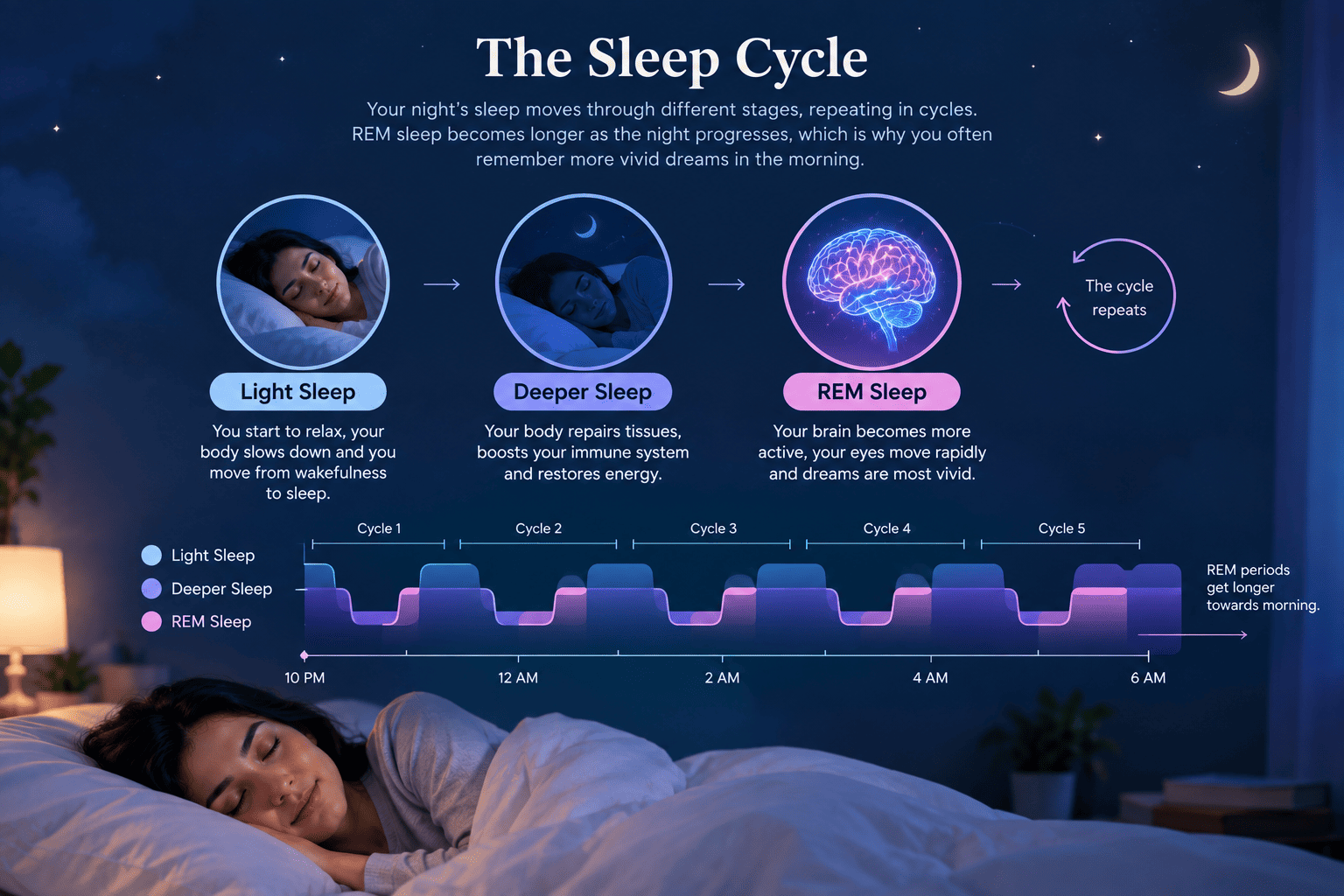
Your brain doesn’t clock out when you fall asleep. It cycles through different sleep stages, including REM sleep, when vivid, story-like dreams are common.
Dreams can happen during both REM and non-REM sleep. Researchers believe dreaming may be linked to memory and emotional processing, but there’s no single, complete explanation for why we dream.
So, while your body rests, your brain keeps working.
Unfortunately, its night shift sometimes involves escaping a haunted shopping mall with absolutely no exit signs.
9. What Are Dreams, and Why Do We Dream?
So, why do we dream?
Dreams are experiences involving images, thoughts, sensations, and emotions during sleep. They can be realistic, terrifying, or completely unhinged.
Scientists have several theories about why we dream. Dreams may be linked to memory processing, emotional experiences, learning, and brain activity during sleep. However, no single theory explains every dream.
Not every dream has a hidden meaning or a specific purpose.
Sometimes, your dreams might reflect something meaningful. Other times, even science can’t tell you exactly why they happened.
And sometimes, your brain combines your childhood home, a random celebrity, and a flying elephant into one cinematic universe nobody asked for.
10. Frequently Asked Questions About Dreams
Why do we dream every night?
People commonly experience multiple dreams throughout a night, although they may not remember them. Dreaming can occur during different sleep stages, and dream recall varies between individuals.
Is dreaming a sign of good sleep?
Not necessarily. Dreaming is a normal part of sleep, but remembering a dream doesn’t automatically mean you slept well. Sleep quality also depends on factors such as duration, continuity, and how rested you feel.
Why do I keep dreaming about the same person?
Memories, associations, recent experiences, and emotions may contribute to the people who appear in dreams. There is no single explanation, and it doesn’t prove that the person is thinking about you.
Can two people have the same dream?
People can report similar dream themes, especially when they share experiences or concerns. However, there is no established evidence that two people can reliably share an identical dream experience.
What is lucid dreaming?
Lucid dreaming occurs when a person becomes aware that they’re dreaming while the dream is happening. Some people can influence what happens in a lucid dream, although the degree of control varies.
Why do I keep having nightmares?
Nightmares can sometimes be associated with stress, traumatic experiences, certain medications, illness, or sleep disruption. If they frequently disturb your sleep or cause distress, consider seeking professional advice.
11. Final Thoughts: Why Do We Dream?
Dreams can bring back people from your past, turn everyday worries into escape missions, and make the most ridiculous situations feel completely real.
Science has taught us a lot about sleep and dreaming, but why we dream remains an open question.
Not every dream predicts the future, hides a secret message, or needs a deep psychological explanation. Sometimes, its meaning is clear. Other times, even your brain seems confused.
So, the next time a giant penguin chases you through an endless corridor, relax. You don’t need to decode the universe before breakfast.
Your brain has been working all night. Let it have its weird little moments.
And if you figure out why the penguin was chasing you, please let science know.
References and Further Reading
For readers interested in learning more about the science of dreams and sleep:
- National Institute of Neurological Disorders and Stroke (NINDS) — Brain Basics: Understanding Sleep
- PubMed Central — Research articles on sleep and dreaming
- Sleep Foundation — Sleep science and educational resources
Note: Scientific understanding of dreams is still developing. While research offers insights into sleep, memory, and emotions, the exact purpose of dreaming remains uncertain.
 Shreyan