
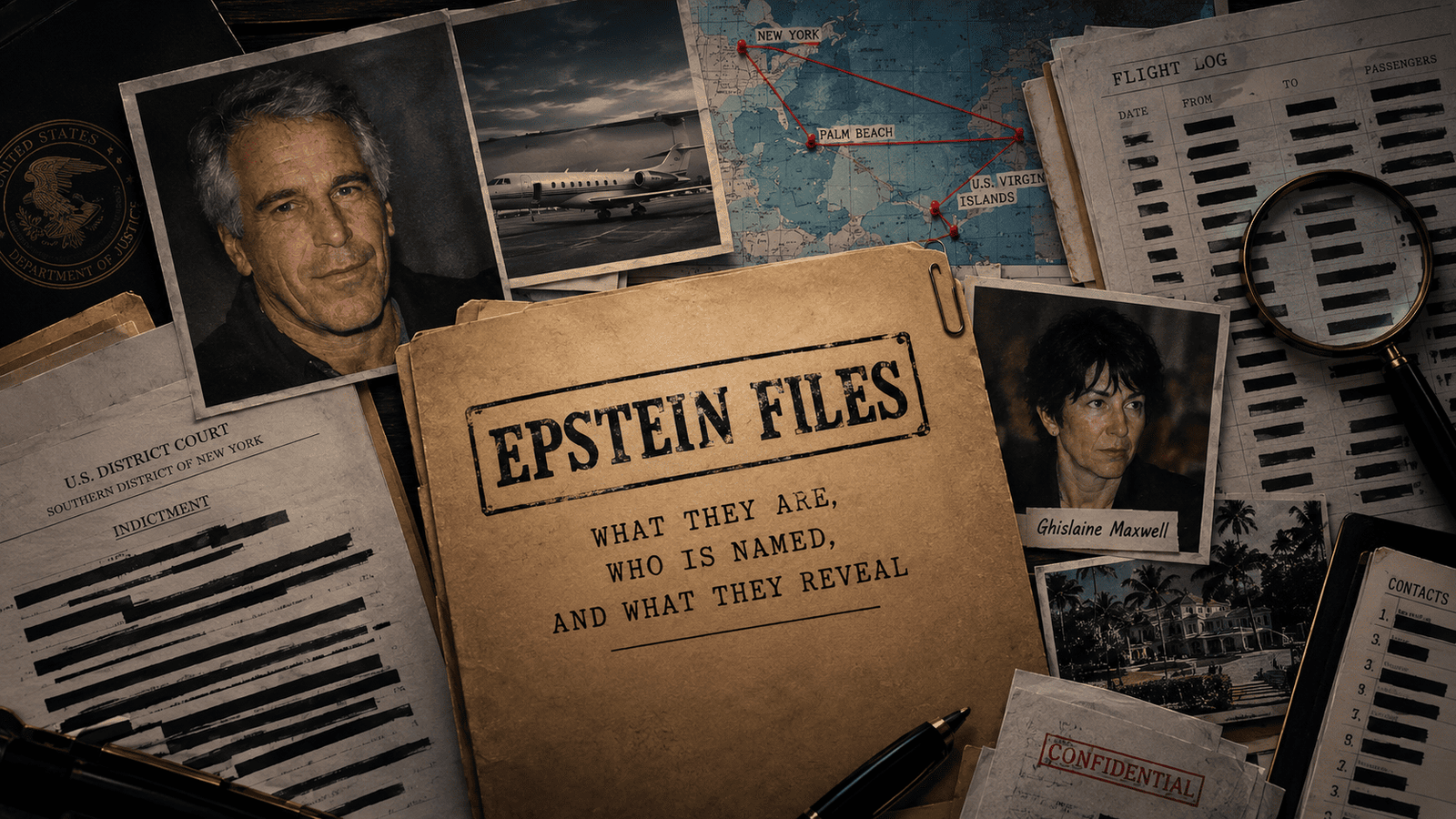
The Epstein Files: What Actually Happened?
The phrase “Epstein files” is everywhere online, but much of the conversation focuses on names, flight logs and rumours.
That can make it easy to lose sight of the most important part of the story:
What actually happened?
Jeffrey Epstein was a wealthy financier accused of sexually abusing girls and young women. He also had powerful connections, multiple properties and a social circle that was not exactly giving “I know five people.”
In 2008, he pleaded guilty in Florida to charges related to prostitution, including a charge involving a minor. In 2019, he was federally charged with sex trafficking of minors and conspiracy to commit sex trafficking of minors.
He died in custody before his federal trial.
His associate Ghislaine Maxwell was later convicted in 2021, and then came the “Epstein files” thousands of pages of records that sent the internet straight into detective mode.
So, that’s the short version. Now let’s unpack what actually happened.
Who Was Jeffrey Epstein?

Jeffrey Epstein was a wealthy financier whose social circle stretched across billionaires, politicians, academics and celebrities basically, a VIP guest list that never seemed to end.
But behind the money, private jets and influential connections was a much darker story. Epstein was accused of sexually abusing girls and young women over many years.
His wealth, connections and the sheer scale of the case later turned him into one of the most controversial figures in modern criminal history.
In short, the lifestyle looked glamorous; the story behind it was anything but.
What Did Jeffrey Epstein Actually Do?
The short version? This is where the story gets seriously dark.
In 2008, Epstein pleaded guilty in Florida to state charges related to prostitution, including a charge involving a minor. His plea deal and sentence later attracted major criticism.
Then, in 2019, federal prosecutors in New York charged him with sex trafficking of minors and conspiracy to commit sex trafficking of minors. Prosecutors alleged that he sexually exploited underage girls and had some victims recruit others.
But there was no federal trial. Epstein died in jail before the case could be heard in court.
So, one important distinction: the 2008 conviction was established; the 2019 federal charges remained allegations because they never went to trial.
And yes, this is one of those cases where the legal timeline needs its own timeline.
How Did Epstein’s Abuse Scheme Allegedly Operate?
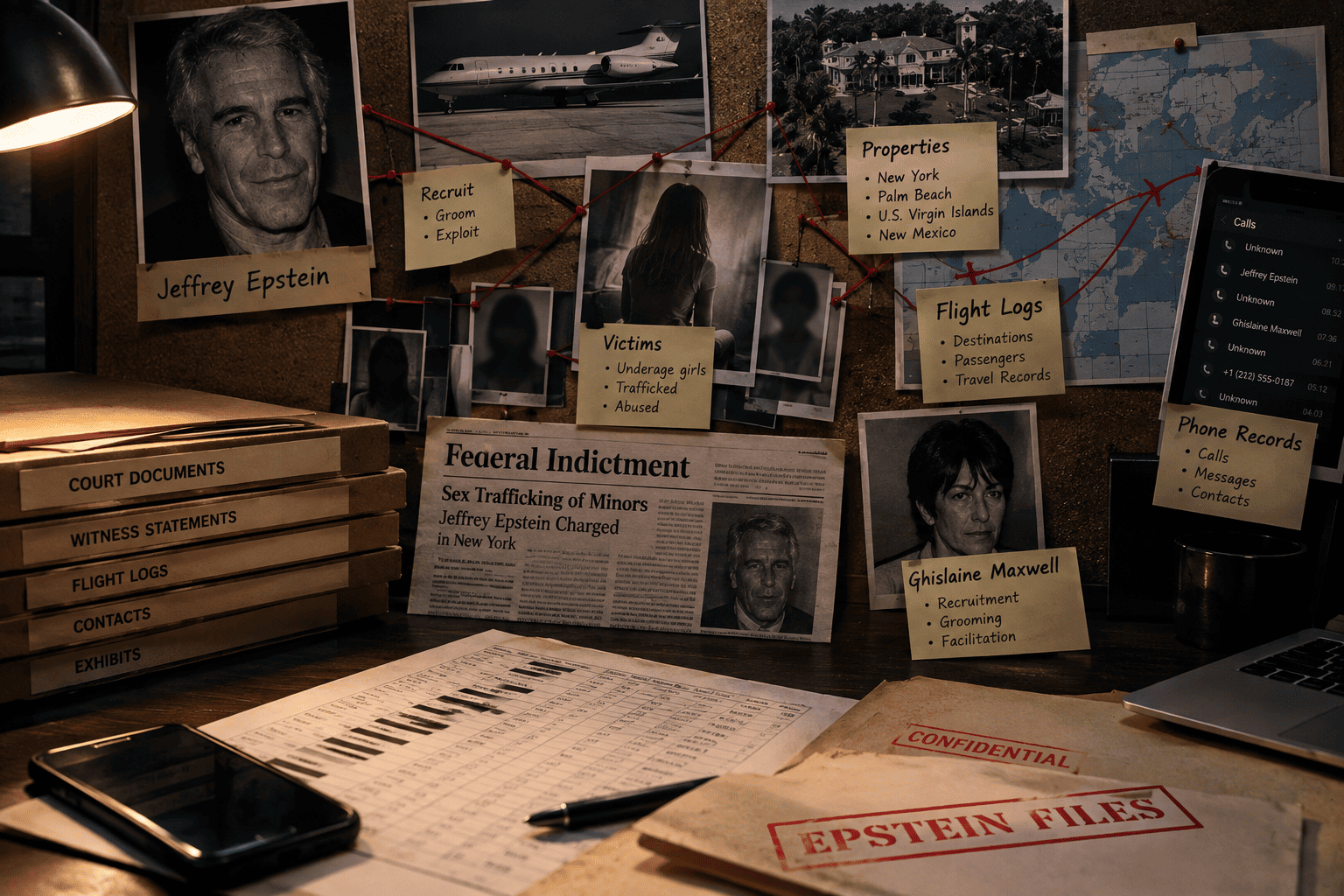
According to the 2019 federal allegations, Epstein recruited underage girls to his residences for paid massages. Prosecutors alleged that some encounters became sexual and that some victims were paid to recruit additional girls.
The alleged activity involved properties in New York and Palm Beach, Florida.
One important distinction: these were federal allegations, not a conviction. Epstein died before the case went to trial.
In other words, this wasn’t exactly a massage business with a five-star rating.
Who Were Epstein’s Victims?
Over the years, many girls and women came forward describing sexual abuse and exploitation connected to Epstein. Some were minors when the alleged abuse occurred.
Their accounts became an important part of the investigations and civil cases surrounding Epstein and more importantly, showed that this story was about real people, not just famous names and mysterious documents.
Because many victims were minors, their identities have often been protected through pseudonyms, initials or redactions.
And honestly, that is one detail worth remembering: behind all the headlines and paperwork were people whose lives were affected.
What Happened in the 2008 Epstein Case?
Epstein’s first major criminal case was in Florida. In 2008, he pleaded guilty to state charges related to prostitution, including a charge involving a minor.
He received an 18-month sentence, but served considerably less time, partly because of work release arrangements.
The controversial part? A federal non-prosecution agreement meant Epstein avoided federal charges as part of the deal.
The arrangement later faced heavy criticism and scrutiny.
So, despite being convicted, the case left many people asking the same question: how did someone facing such serious allegations end up with such a relatively lenient outcome?
Why Was Jeffrey Epstein Arrested Again in 2019?
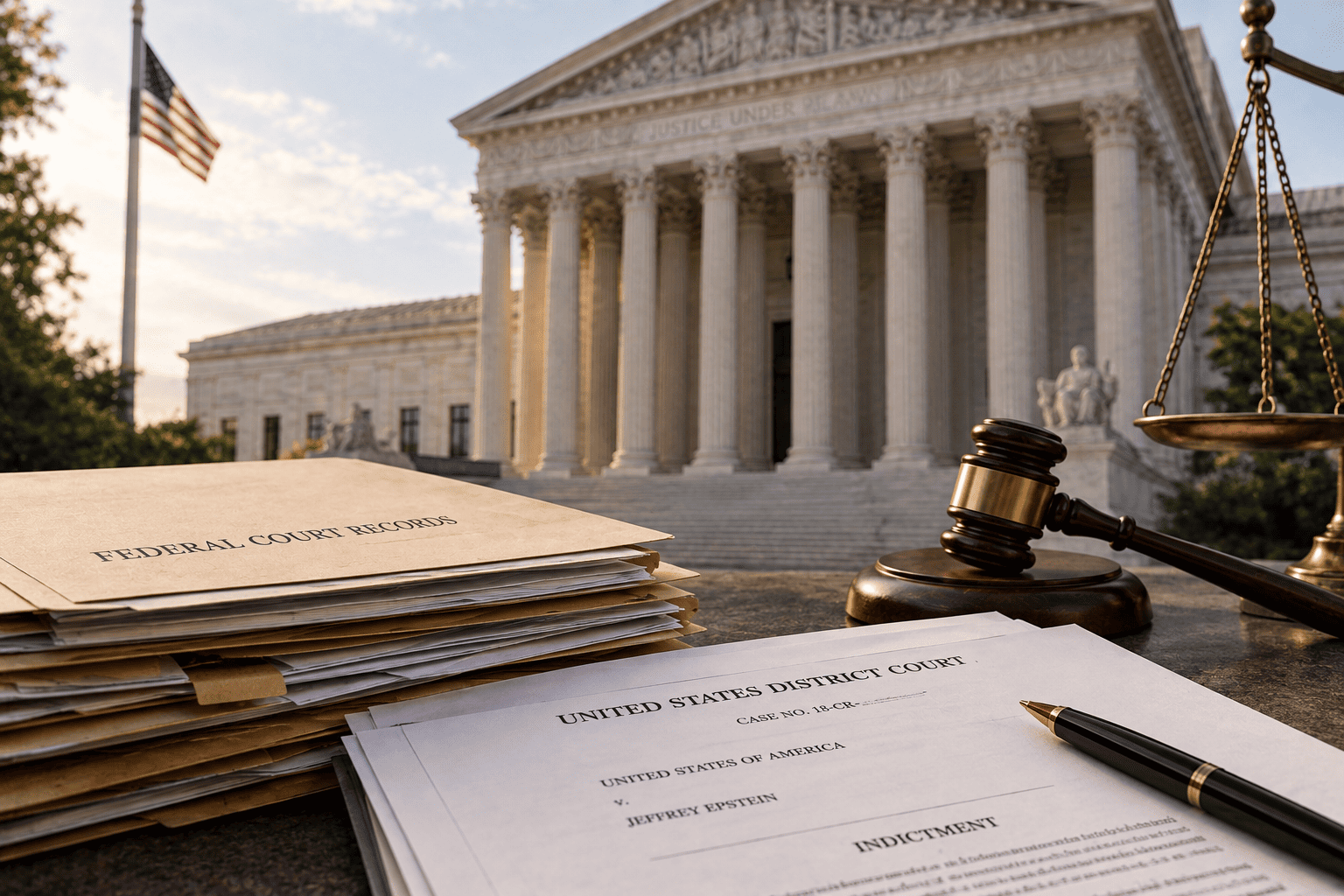
More than a decade after his Florida conviction, Epstein was arrested again in July 2019, this time by federal prosecutors in New York.
He faced much more serious charges: sex trafficking of minors and conspiracy to commit sex trafficking of minors.
Prosecutors alleged that he sexually exploited underage girls and that some were recruited to bring in others.
Epstein pleaded not guilty, but never went to trial.
The case was only beginning and then, before a courtroom could decide the allegations, the story took another turn.
What Happened to Jeffrey Epstein in Jail?
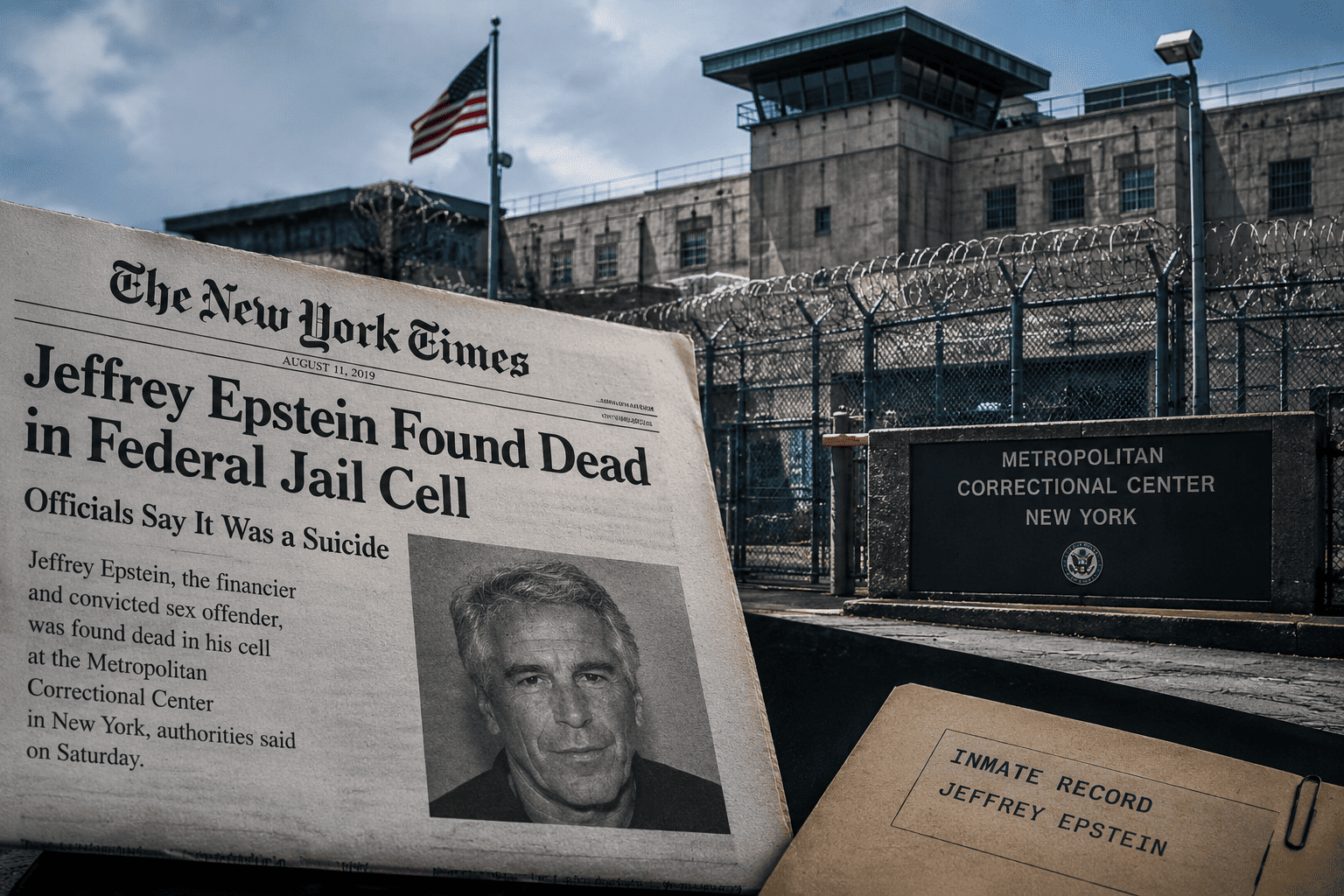
While awaiting trial at a Manhattan federal jail, Epstein was found dead in his cell on August 10, 2019.
His death was officially ruled a suicide.
Because he died before his federal trial, there was no jury verdict on the 2019 charges. The case ended without the courtroom answers many expected.
And that unanswered ending? It helped turn an already huge case into an even bigger public obsession.
What Was Ghislaine Maxwell’s Role?
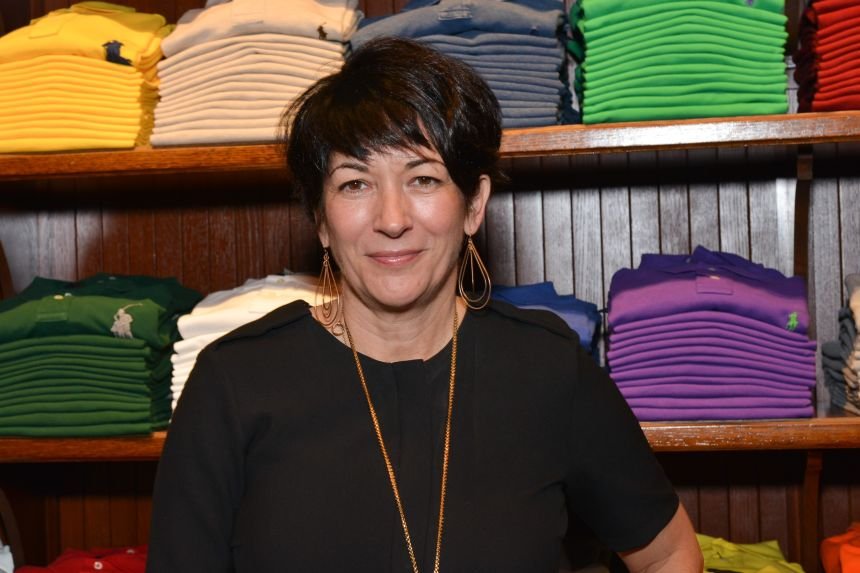
Ghislaine Maxwell was a close associate of Epstein and became a major figure in the criminal case surrounding him.
Prosecutors accused her of helping recruit and groom underage girls for sexual abuse.
Unlike Epstein, Maxwell actually went to trial. In December 2021, a federal jury found her guilty on multiple charges related to the recruitment and trafficking of minors.
She was sentenced to 20 years in federal prison in 2022.
So while Epstein’s federal case ended without a trial, Maxwell’s ended with an actual jury verdict and prison sentence, one of the clearest court established chapters of the story.
What Are the Epstein Files?
The “Epstein files” aren’t one mysterious folder sitting somewhere waiting to be opened. It’s a catch-all term for a huge collection of records linked to Epstein and related legal cases.
They include court documents, depositions, flight logs, contact books, emails, photographs and investigative records.
Some were public, while others were sealed, redacted or released later.
So, there isn’t one magical “Epstein file” containing every answer. It’s more like a very large, very complicated paper trail.
What Do the Epstein Flight Logs Show?

The Epstein flight logs record travel details such as dates, destinations and passengers.
But here’s the important part: a flight log is not a crime report.
It cannot, by itself, prove:
- Why someone took the flight
- What happened during or after the trip
- What a passenger knew about Epstein
- Whether they witnessed any abuse
- Whether they participated in a crime
So, appearing in the logs does not prove criminal conduct or wrongdoing. The logs show travel, not guilt.
Is There an Epstein Client List?
The internet loves the phrase “Epstein client list.” But the reality is much less dramatic.
There is no single publicly verified document that proves everyone named in Epstein-related records participated in his crimes.
Names can appear for many reasons—someone could have worked for him, known him socially, travelled with him, appeared in testimony, or been a victim or witness.
So collecting every name from the files and calling it a “client list” would be like turning someone’s entire contact list into a criminal suspect list.
A name is a lead, not a verdict.
Who Is Named in the Epstein Files?
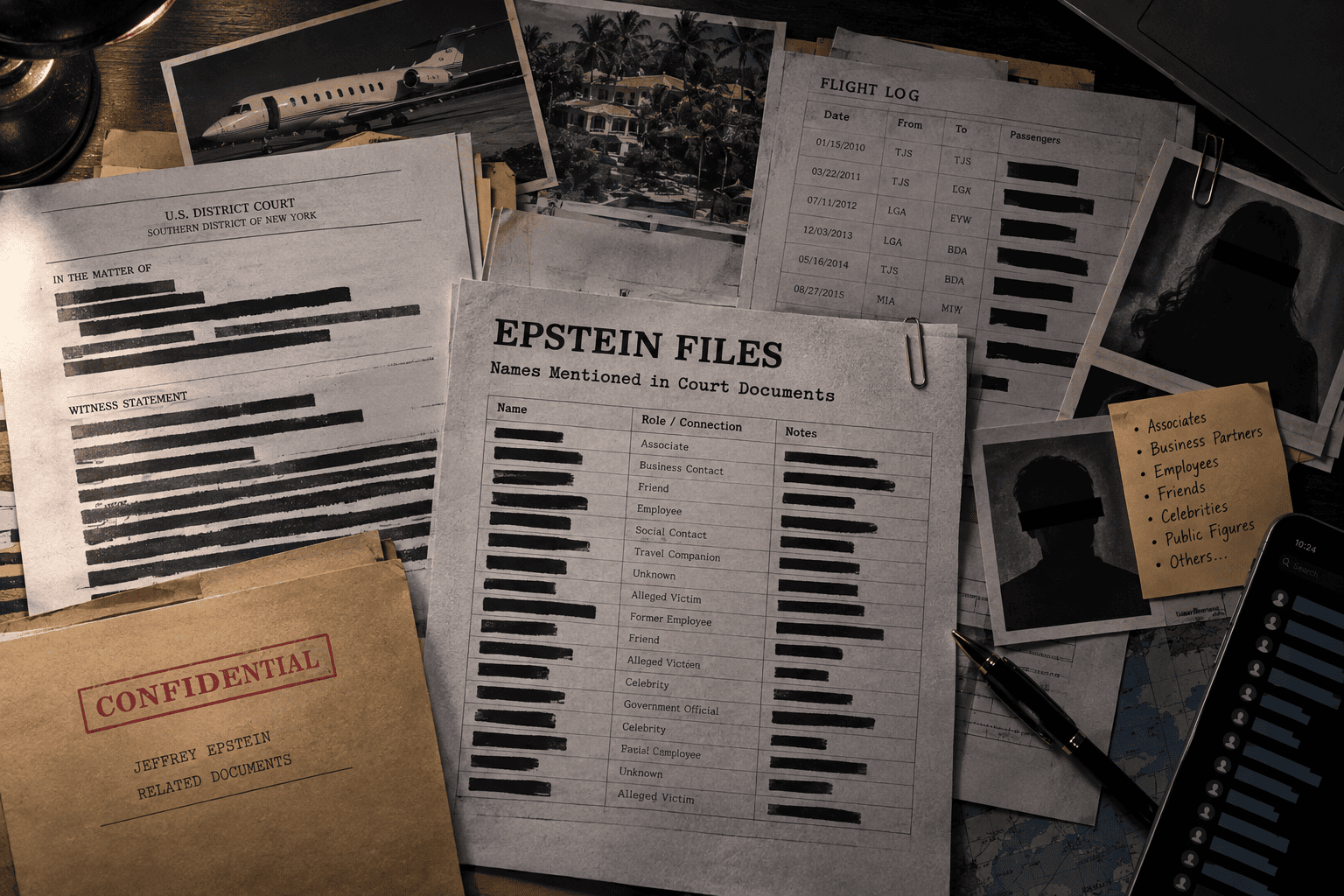
This is probably one of the internet’s favourite Epstein questionsand also one of the easiest to misunderstand.
The records contain names of employees, associates, witnesses, victims, lawyers, investigators, business contacts and public figures.
But here’s the catch, a name appearing in a document doesn’t automatically make someone a suspect.
A contact book shows a connection. A testimony may mention someone. A flight log records travel. An accusation is something else entirely and a conviction is another step again.
So, before turning a name into a headline, check the context.
Why Did Epstein Know So Many Powerful People?
Epstein deliberately built relationships with wealthy and influential people across different fields. His social circle grew large enough to make a celebrity guest list look modest.
Photos, emails, contact records and travel documents later showed connections between Epstein and various people.
But a connection is not the same as criminal involvement. A photo, email or flight record may establish that people interacted with Epstein, but it does not by itself prove what they knew, why they interacted, or whether they participated in any crime.
That requires additional evidence and context, not just a name appearing in a document.
What Happened at Epstein’s Properties?
One of the most talked-about properties connected to Epstein was Little Saint James, his private island in the U.S. Virgin Islands.
The documented part is already disturbing: the island was connected to allegations of sexual abuse and exploitation and became a focus of investigations and civil litigation.
Then came the internet.
Because the island was private, secluded and surrounded by mystery, it quickly became a magnet for speculation. Online discussions have included claims about secret rooms, hidden activities, powerful visitors and elaborate conspiracies.
But here’s the catch: being widely repeated online doesn’t make a claim true. Some stories have little or no reliable evidence behind them, while others mix genuine court records with assumptions and exaggerations.
So when discussing the island, it’s important to keep three things separate: what court records establish, what witnesses or investigators alleged, and what the internet simply suspects.
The island is fascinating enough without turning every rumour into a fact.
Why Were Epstein’s Documents Sealed or Redacted?
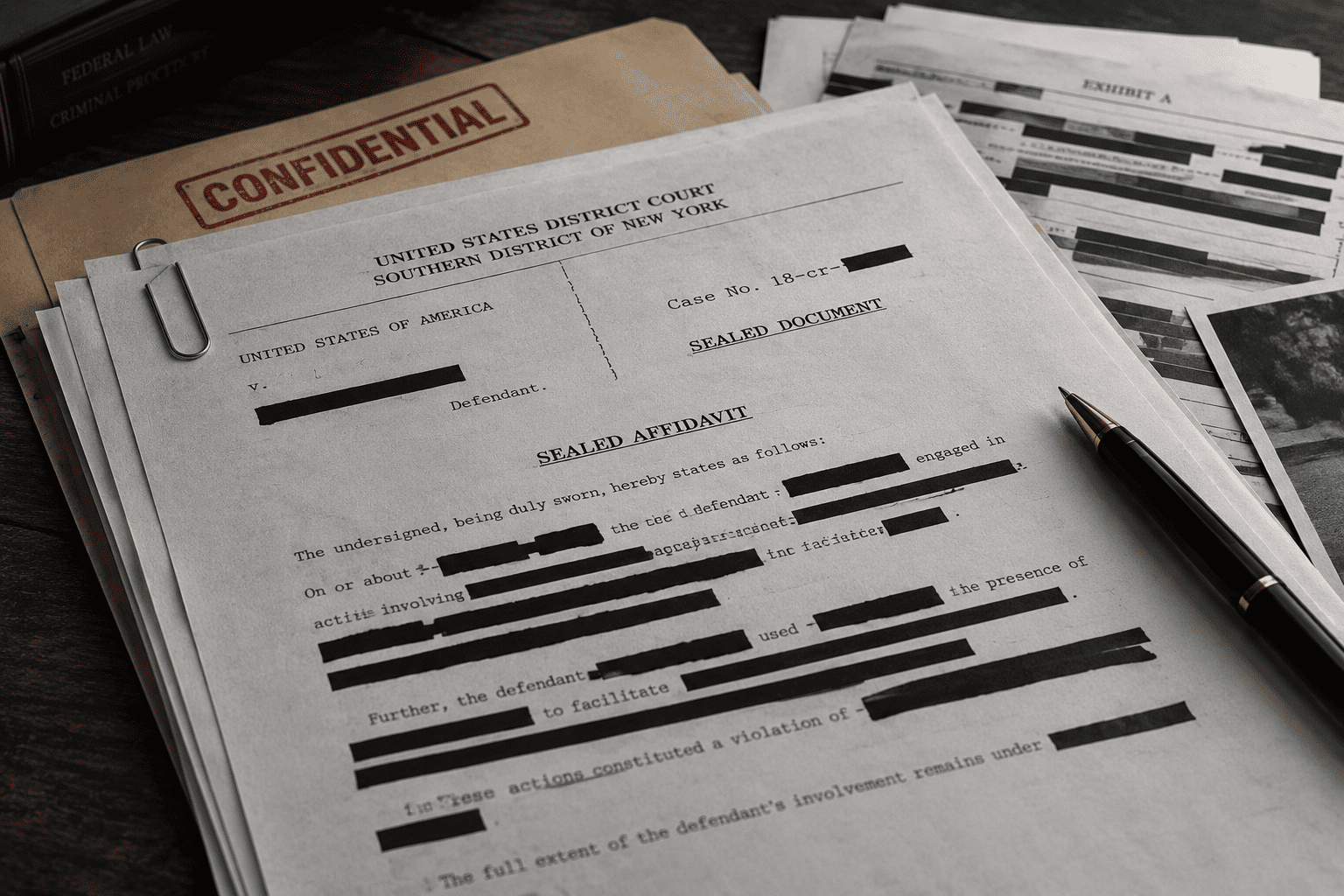
Not every record connected to a criminal investigation can be made completely public.
Courts may restrict information to protect:
- Victims
- Minors
- Witnesses
- Private individuals
- Personal identifying information
- Sensitive investigative material
Some documents can also contain allegations that have not been legally established.
Redactions therefore do not necessarily mean that a hidden section contains a secret list of criminals.
In many cases, protecting victims and private individuals is the primary reason information is withheld.
What Is Proven and What Is Alleged?
This distinction is essential when discussing the Epstein files.
| Information | Status |
|---|---|
| Epstein pleaded guilty to Florida state charges in 2008 | Established |
| Epstein was arrested on federal sex-trafficking charges in 2019 | Established |
| Federal prosecutors accused Epstein of trafficking and sexually exploiting minors | Established as an allegation in the indictment |
| Epstein died in federal custody in 2019 | Established |
| His death was officially ruled a suicide | Official finding |
| Maxwell was convicted in federal court | Established |
| Someone’s name appears in a flight log | Documented if supported by the record |
| Someone’s name appears in a contact book | Documented if supported by the record |
| Everyone named in Epstein documents participated in crimes | Not established |
| Every person who traveled with Epstein knew about his crimes | Not established |
| Every person mentioned in testimony committed a crime | Not established |
This distinction is especially important because online posts often combine documented information with speculation.
Why Did Epstein’s Case Become So Controversial?
The controversy surrounding Epstein extends beyond the allegations themselves.
Several issues contributed to the public interest:
The 2008 plea agreement
The resolution of Epstein’s first major criminal case attracted criticism because of the unusually favorable treatment he received.
His social connections
Epstein had relationships with people from some of the world’s most powerful institutions and social circles.
The 2019 federal prosecution
The new federal charges suggested a much broader pattern of alleged abuse than the conduct for which Epstein had previously pleaded guilty.
His death before trial
Because Epstein died before his federal trial, many allegations were never tested through a jury verdict.
The continuing release of records
Court documents and other records have provided additional information about the people, events and investigations surrounding the case.
Together, these factors turned the Epstein case into one of the most closely followed criminal stories of the modern era.
Why Are People Still Searching for the Epstein Files?
The continued interest is partly driven by a simple question:
What else do the records reveal?
People want to understand the scale of Epstein’s activities, the people around him, how his relationships worked and whether authorities missed opportunities to intervene earlier.
But the public record does not provide a simple answer to every question. Some matters were established through criminal convictions. Others remain allegations and some online claims have never been substantiated.
That is why the documents need to be read individually rather than treated as one giant list of conclusions.
What Happened to Epstein’s Money and Properties?
Epstein didn’t leave behind just a complicated criminal case he also left behind a complicated financial mess.
After his death, his estate was valued at hundreds of millions of dollars. His properties, including homes in New York, Palm Beach, New Mexico and the U.S. Virgin Islands, became part of the estate and were eventually put up for sale.
But the money didn’t simply disappear into some mysterious offshore vault. His estate faced lawsuits, settlements and claims from victims, with substantial amounts ultimately going toward compensation.
Some properties were sold, including Little Saint James, which was purchased by billionaire Stephen Deckoff in 2023.
So what happened to the fortune?
A lot of it ended up paying for the consequences of the life that created it.
What the Epstein Files Can and Cannot Tell Us
The documents can help establish things such as:
- Who communicated with whom
- Where people traveled
- What witnesses said
- What allegations were made
- What prosecutors alleged
- What courts decided
- How different investigations developed
But documents do not automatically prove every interpretation placed on them.
A flight record does not prove a crime.
A contact entry does not prove a close relationship.
A photograph does not prove participation in abuse.
An allegation does not equal a conviction.
And a person’s presence in the broader Epstein story should always be examined in context.
Frequently Asked Questions About the Epstein Files
What did Jeffrey Epstein do?
Epstein pleaded guilty in 2008 to Florida state charges related to prostitution, including a charge involving a minor. In 2019, federal prosecutors charged him with sex trafficking of minors and conspiracy to commit sex trafficking. He died before the federal case went to trial.
Was Jeffrey Epstein convicted of sex trafficking?
No federal jury convicted Epstein of the 2019 sex trafficking charges because he died before his trial. He had previously pleaded guilty to state charges in Florida in 2008.
What was Ghislaine Maxwell convicted of?
Maxwell was convicted in 2021 on multiple federal charges related to the recruitment and trafficking of minors for Epstein. She was sentenced to 20 years in federal prison in 2022.
What are the Epstein files?
The phrase refers broadly to court records, testimony, flight logs, contact information, correspondence, exhibits and other documents connected to Epstein and related investigations and litigation.
Is there an Epstein client list?
There is no single publicly verified document that can accurately be treated as a definitive list of everyone who participated in Epstein’s crimes.
Who is named in the Epstein files?
Many categories of people appear in the records, including employees, witnesses, victims, associates, lawyers, business contacts and public figures. Being named does not by itself establish criminal conduct.
Do the Epstein flight logs prove that someone committed a crime?
No. Flight logs are travel records. They can document travel but do not, by themselves, establish why someone traveled or whether they participated in criminal activity.
Why did Epstein die before his trial?
Epstein died in federal custody on August 10, 2019. His death was officially ruled a suicide. Because he died before trial, the federal charges against him were never resolved through a jury verdict.
Why are some Epstein documents redacted?
Redactions can protect victims, minors, witnesses, private individuals and sensitive information. Courts can also restrict information for legal and investigative reasons.
Final Takeaway
The Epstein files are not simply a list of famous names.
Behind the documents is a much larger story involving Jeffrey Epstein’s criminal history, allegations of sexual abuse and trafficking, victims and survivors, Ghislaine Maxwell’s involvement and conviction, multiple investigations, and years of legal proceedings.
Some facts are firmly established.
Epstein pleaded guilty to state charges in 2008. He was later charged federally with sex trafficking of minors. He died before that case went to trial. Maxwell was subsequently convicted for her role in the recruitment and trafficking of minors for Epstein.
Other information remains in the category of allegations, testimony or investigative records.
And some claims circulating online have not been established at all.
The most important lesson when reading the Epstein files is therefore to distinguish between a documented connection, an allegation, a criminal charge and a conviction.
A name in a document is a starting point for investigation not automatically a conclusion.
Editorial Note
This article is intended as a factual explainer based on publicly documented legal proceedings and records. Because additional documents and interpretations may emerge over time, claims described as “new,” “latest” or “recent” should be checked against the relevant original court or government source before publication or future updates.
Recommended primary-source categories:
- U.S. Department of Justice
- Federal Bureau of Investigation
- U.S. federal court records
- Federal indictments and judicial opinions
- Court exhibits and filings
For secondary reporting, established organizations such as Reuters, Associated Press and BBC can be useful for additional context.
 Shreyan