
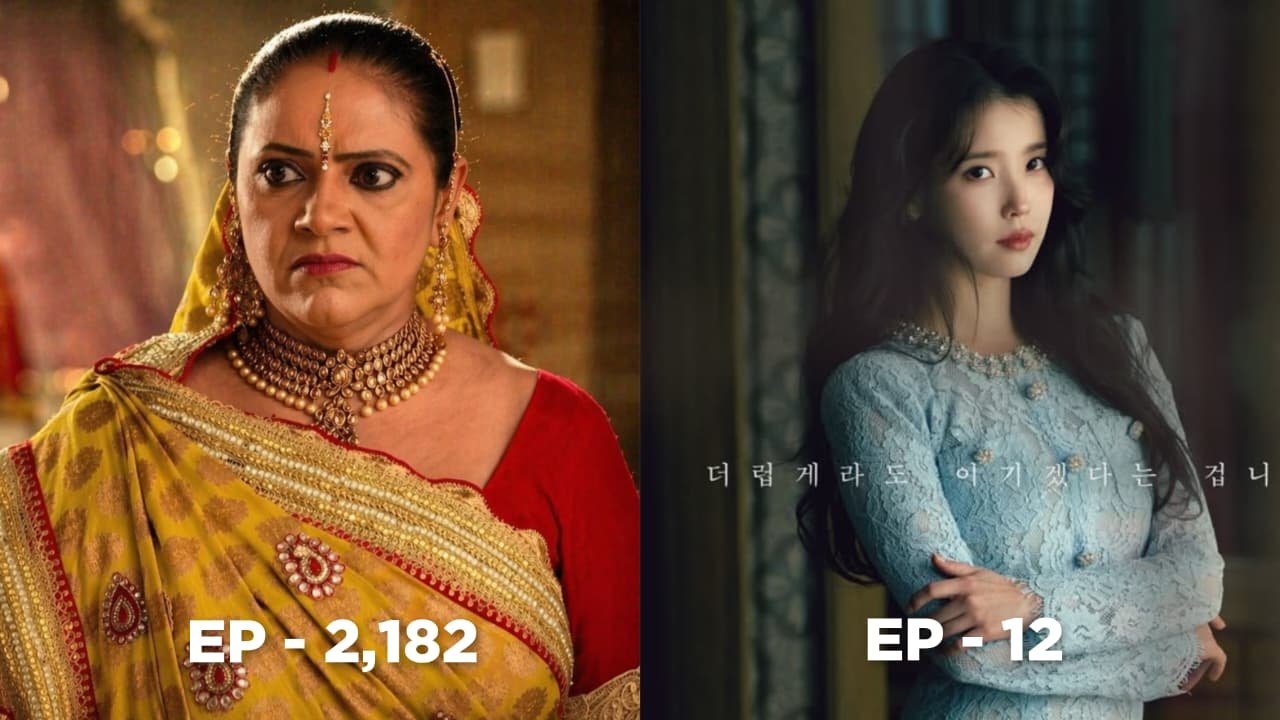
Before K-dramas, young India was not exactly overflowing with choices.
There were Indian serials — the ones with 2,000 episodes, three reincarnations, and a mother-in-law who always wanted her son to love her more than his wife. There was Western content, which felt like it was made for a completely different world, with a completely different set of values. And there was Indian OTT, which was just finding its feet and mostly giving us thrillers that were intense but left you emotionally empty.
Something was missing. Nobody had a name for it yet. But it was missing.
Then 2020 happened. Lockdown came and Screens became everything for everyone.
Isolated and restless, many Indians turned to online entertainment — and for a lot of them, the first stop was “Descendants of the Sun” on Netflix. A soldier. A doctor. A love story with actual stakes. No 800 episodes. No unnecessary drama. Just a clean, emotional story that knew exactly when to end.
And something clicked.
The romance felt soft but not weak. The leads felt real. The emotions hit in a way that Indian content hadn’t in a long time. People finished it and immediately wanted more searching pirate websites, broken links, asking friends, figuring out subtitles on the go.
That hunger that desperate search for more is exactly how 50 million Indian K-drama fans were made.

How K-dramas exploded on Netflix and OTT?
Netflix noticed before anyone else did.
While Indian production houses were still debating whether audiences would watch foreign content, Netflix was already watching the data. Indians were not just watching Korean dramas they were finishing them. Rewatching them. Recommending them. And most importantly, they were subscribing to platforms just to access them.
So Netflix made a move that changed everything — they started dubbing Korean dramas into Hindi.
This sounds like a small decision. It was not. The moment Korean dramas stopped being something only you can watch but became something your mother, your younger sibling, your neighbor could sit and watch — the audience didn’t grow. It exploded.
Between 2019 and 2020 alone, K-drama viewership on Netflix India jumped 370%. In just one year. Not because Korean dramas suddenly got better. Because suddenly everyone could access them without any barrier.
Other platforms saw what was happening and moved fast. Amazon Prime added English titles. Viki built its entire India strategy around Korean content. ZEE5 and even regional platforms started licensing Korean shows. The competition was not just about who had the best Indian content anymore — it was also about who had the best Korean content.
And the numbers kept growing. By 2024, Squid Game Season 2 pulled 19.6 million Indian viewers — more than any foreign title ever had in this country. K-dramas were not a niche interest anymore. They were a mainstream business decision.
India had not just discovered Korean dramas. Indian OTT had restructured itself around them.
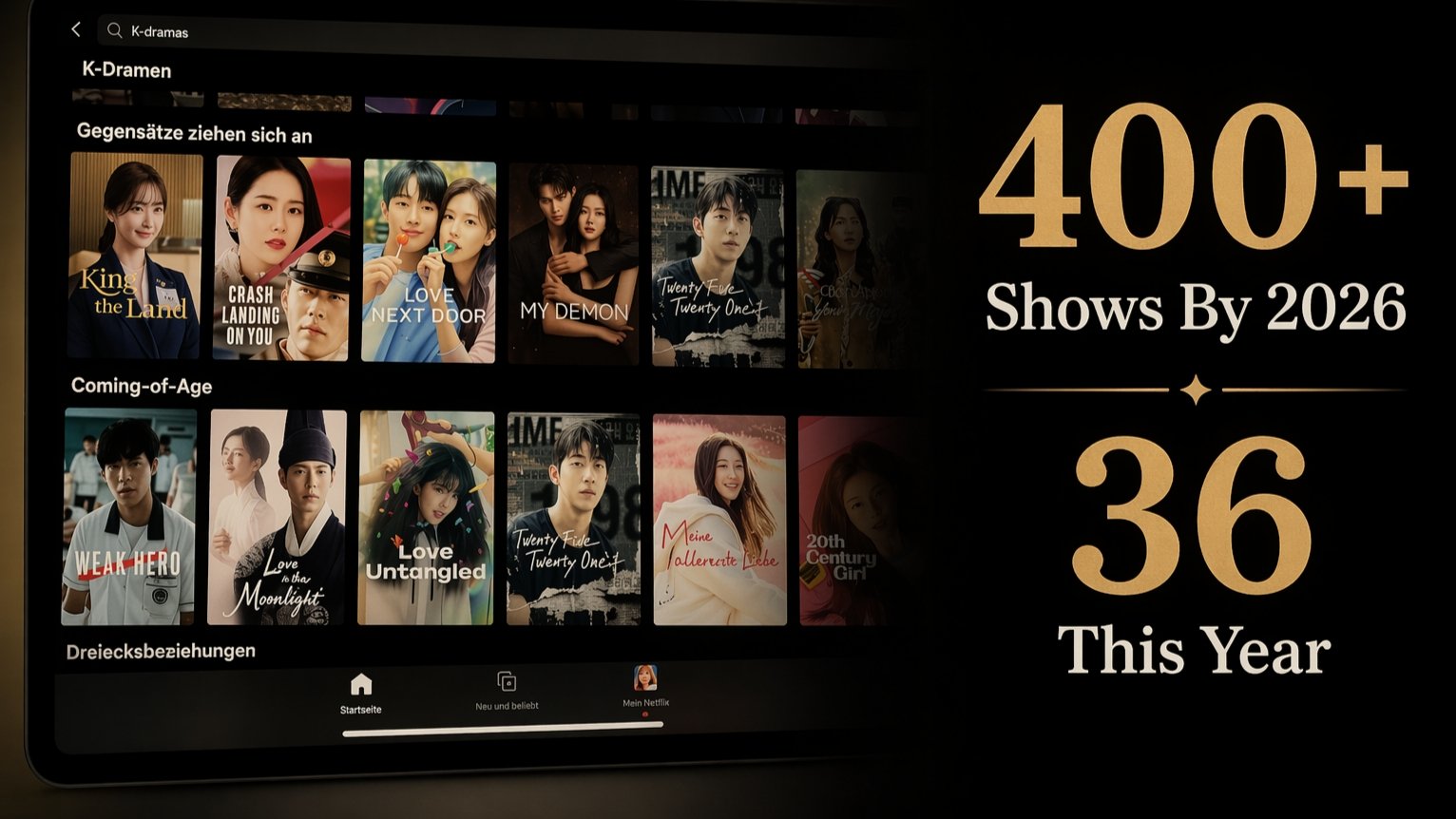
How Did this change Indians habits and culture?
K‑dramas didn’t just change what Indians watched. They changed what Indians wanted.
It started small, a new skincare product, a bowl of ramen, someone trying chopsticks “for no reason.” Slowly, an entire Korean‑style lifestyle crept into everyday Indian life. Korean beauty, Kimchi, Korean noodles — all pulled straight from the screen and into Indian homes.
Fashion shifted too. Oversized sweatshirts. Neutral tones. Soft layering. Even there is a section called “Korean pants”. A whole generation that grew up watching loud, glam‑heavy looks suddenly saw simplicity as the new ideal.
And then there were relationships. K‑drama leads who listened, remembered details, showed up without being asked. For many young Indian women, it quietly became a new benchmark — not always realistic, but impossible to unsee.
K‑dramas didn’t just entertain India. They gave a generation a new blueprint for beauty, food, fashion and romance. Whether that blueprint is realistic or not is a conversation young people are still having.

What comes and next what is the future?
People who once watched only Korean dramas are now naturally moving into Chinese dramas, Thai dramas, and especially Anime. People who once said “Anime was just cartoons for kids” now thinks it’s Cool mostly because they are watching it themselves and showing it off.
No doubt anime has become one of the fastest-growing youth entertainment spaces in the country. India now has around 180 million anime fans, making it the second-largest anime market after China. Netflix revealed in 2025 that more than half of its 300+ million global subscribers now watch anime, proving how naturally this habit has expanded.
The same thing happening with Chinese dramas. By 2025, at least 20 C-drama series crossed the 1 billion view milestone globally, with the top three crossing 2 billion. It will not take long before that wave to land strongly in India as well.
Simply what is happening now is — people are no longer choosing content by country, but by emotion, genre, and storytelling style. The language barrier too, is gradually fading as Subtitles are making it easier to understand the content.
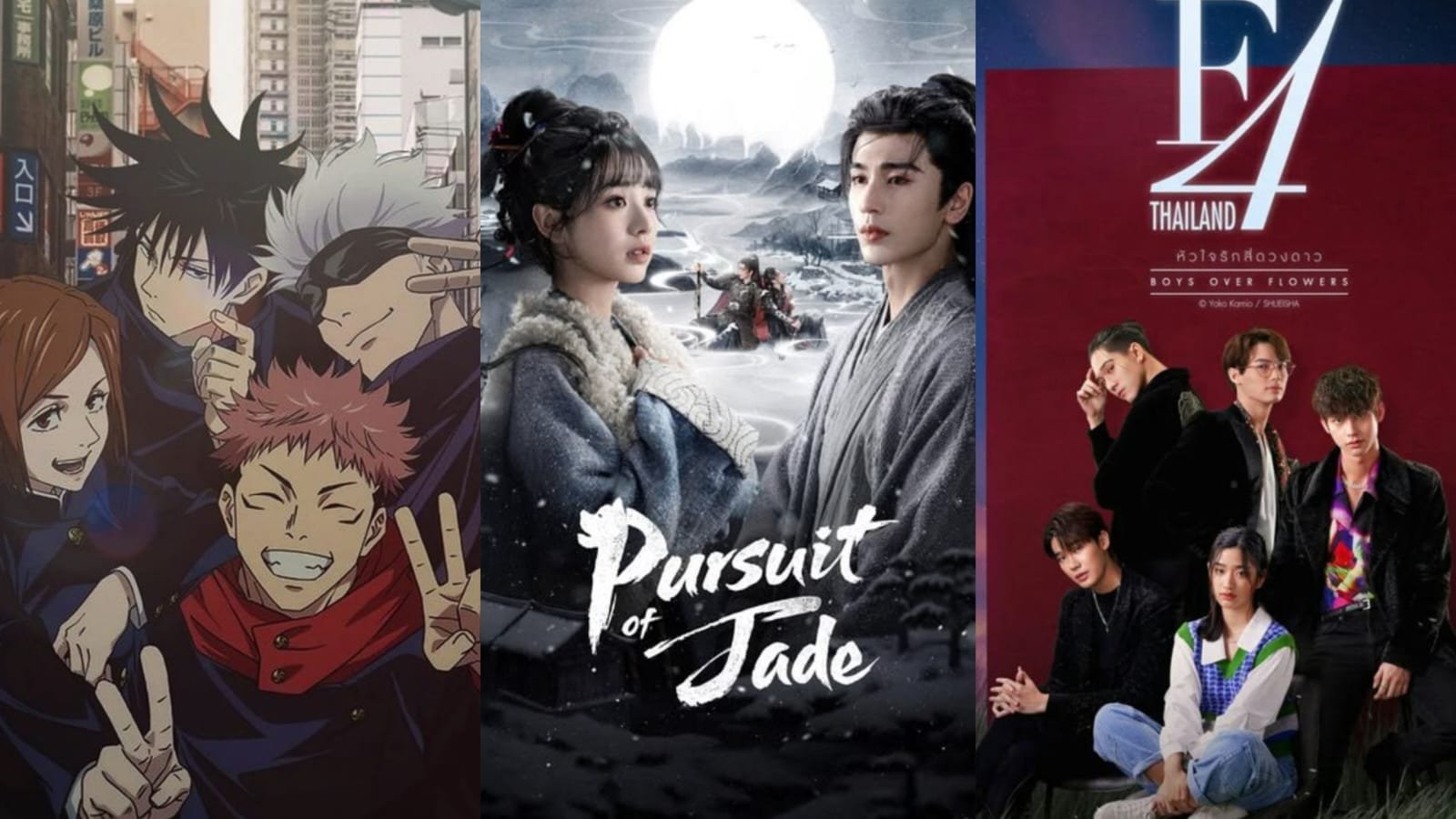
Maybe the real story was never just about Korean dramas. It was about what they changed in young India: the comfort with subtitles, the hunger for emotionally richer stories, and the willingness to look beyond what they had always watched. Netflix did not just give them new shows, it gave them a new viewing habit.
And now that habit has outgrown one country. What started with K-dramas has become a wider Asian wave, and that may be the bigger shift streaming platforms are really benefiting from.
Both – but it performed even bigger internationally than domestically when it first released.
Yes – South Korea is the world’s highest per capita consumer of instant noodles.
It’s cultural norm – eating everything is considered impolite in formal Korean settings.
 Kavya
Kavya
 Arpital