
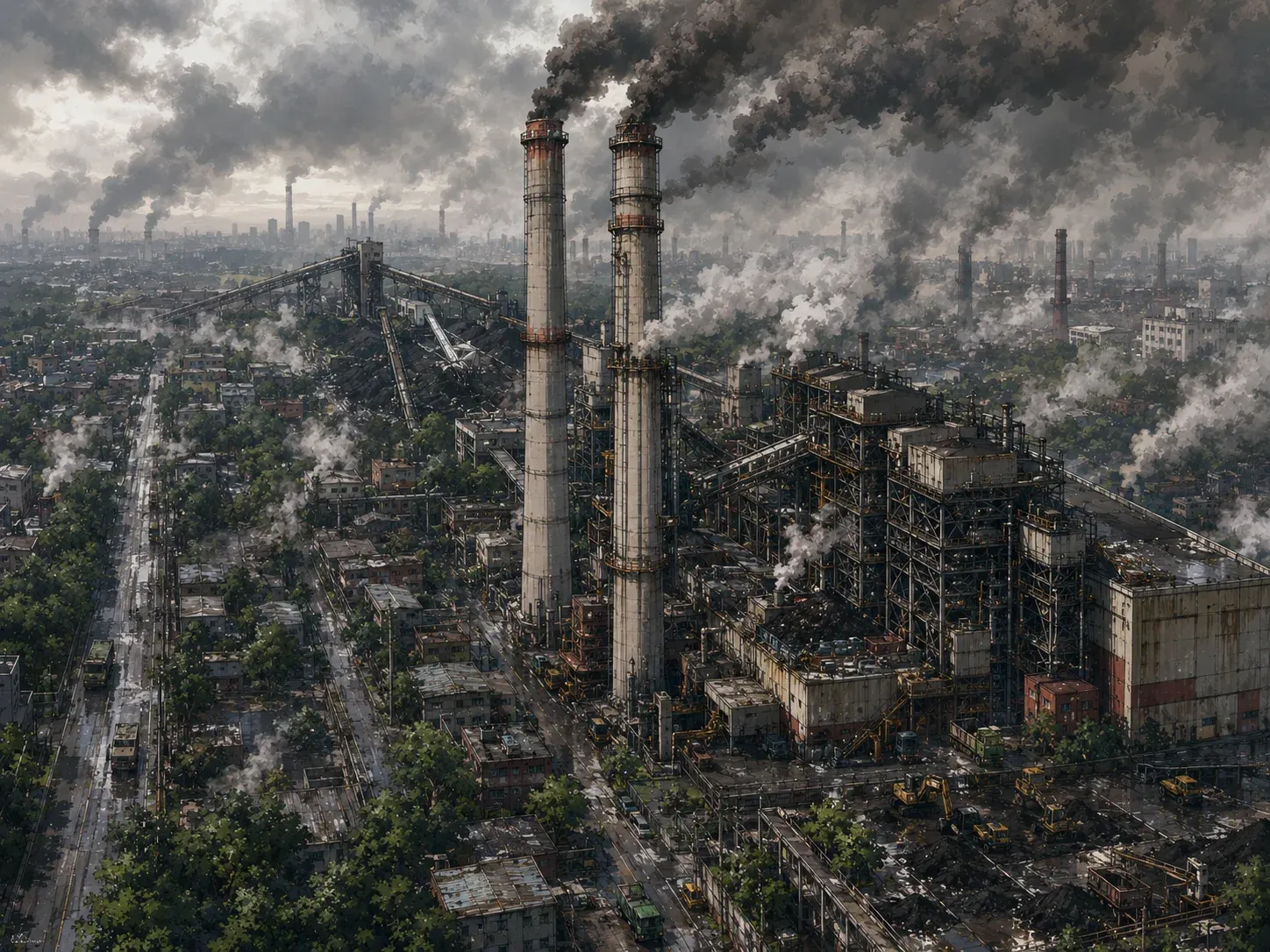
The climate crisis in India does not begin with melting glaciers or rising sea levels. It begins with a farmer staring at a cracked field waiting for rain, a family trapped in floodwater inside a city apartment, and workers collapsing under unbearable summer heat. Across India, climate change is no longer an environmental issue discussed only at global summits — it is becoming a survival issue.
Yet one uncomfortable question continues to divide the world: why is India facing some of the harshest climate impacts when developed nations created most of the world’s historical carbon emissions? From deadly heatwaves in Delhi to cyclones hitting the coast of Odisha, India stands at the center of a growing global debate about responsibility, development, and climate justice.
As extreme weather events become more frequent every year, the country faces a difficult reality — India may be one of the fastest-growing economies in the world, but it is also one of the most vulnerable to climate change.
How Climate Change Is Threatening India’s Future
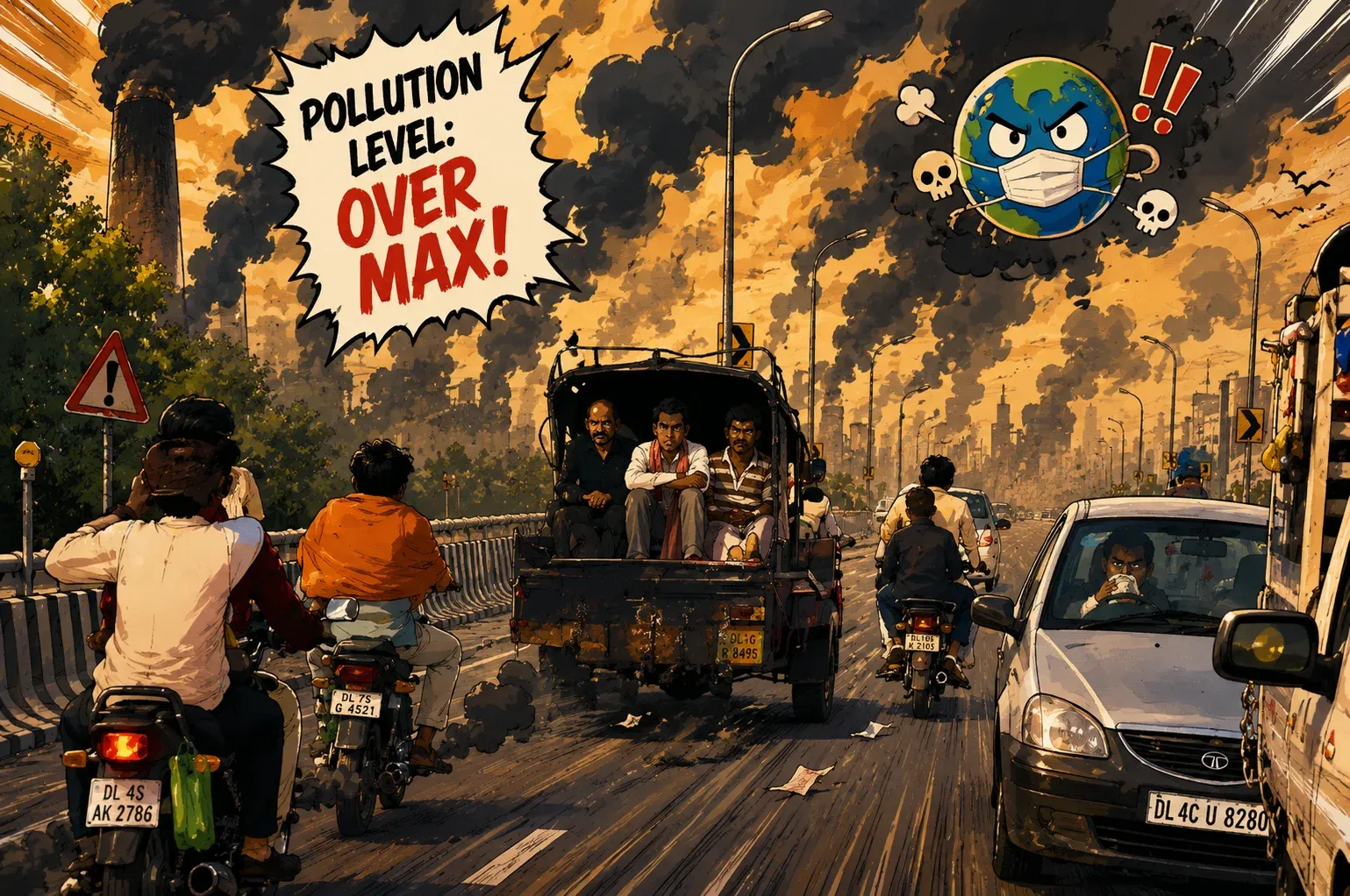
India’s location makes it naturally sensitive to climate disruptions. The country depends heavily on the monsoon system for agriculture, water supply, electricity generation, and economic stability. Even a small change in rainfall patterns can create massive economic and social problems.
When monsoons arrive late, farmers struggle. When rainfall becomes too intense, cities flood within hours. According to the Intergovernmental Panel on Climate Change (IPCC), climate change is increasing heatwaves, extreme rainfall, and drought conditions across South Asia.
India also has a massive population of more than 1.4 billion people. A large percentage of the population depends on farming, fishing, and outdoor labor. That means climate change directly threatens jobs, food security, and survival for millions.
The Data Behind India’s Climate Crisis
The climate crisis in India is no longer just visible through rising temperatures or viral videos of flooded cities. The data itself paints a frightening picture.
According to the Centre for Science and Environment (CSE), India experienced extreme weather events on 99% of the days during the first nine months of 2025. These events included floods, heatwaves, cyclones, landslides, heavy rainfall, lightning strikes, and drought conditions. The disasters caused more than 4,000 deaths, damaged nearly 9.47 million hectares of crops, destroyed over 99,000 homes, and killed tens of thousands of animals.
Heatwaves are becoming especially dangerous. Reports in 2026 showed that 98 of the world’s 100 hottest cities were in India during peak summer conditions. In several regions, temperatures crossed 45°C to 47°C, creating life-threatening conditions for outdoor workers and vulnerable communities.
The health impact is equally alarming. During extreme heat periods, India recorded more than 44,000 heatstroke cases in recent years, while independent reports estimated hundreds of heat-related deaths across multiple states.
Climate surveys also reveal how deeply ordinary Indians are already experiencing the crisis. Research by Yale’s Program on Climate Change Communication found that:
- 71% of Indians reported experiencing severe heatwaves
- 59% faced power outages linked to extreme weather
- 52% experienced droughts or water shortages
- 34% faced severe flooding
- 35% experienced cyclones or severe storms
Scientists warn the situation may become even worse by 2030. Studies suggest India could see a 43% rise in extreme rainfall events, while major cities like Mumbai, Delhi, Chennai, and Bhubaneswar may experience nearly double the number of heatwave days compared to current levels
How Heatwaves Are Becoming India’s Biggest Climate Threat
Heatwaves are now one of the most dangerous climate threats in India. Cities like Delhi, Ahmedabad, and Nagpur regularly record extremely high temperatures during summer.
The problem becomes worse because millions of people work outdoors without proper cooling systems or healthcare access. Construction workers, street vendors, delivery workers, and farmers are often forced to continue working in dangerous conditions.
Unlike wealthier countries, many Indian households still do not have air conditioning or reliable electricity. This makes extreme heat not just uncomfortable, but deadly.
The Controversial Question: Is India Responsible for Climate Change?
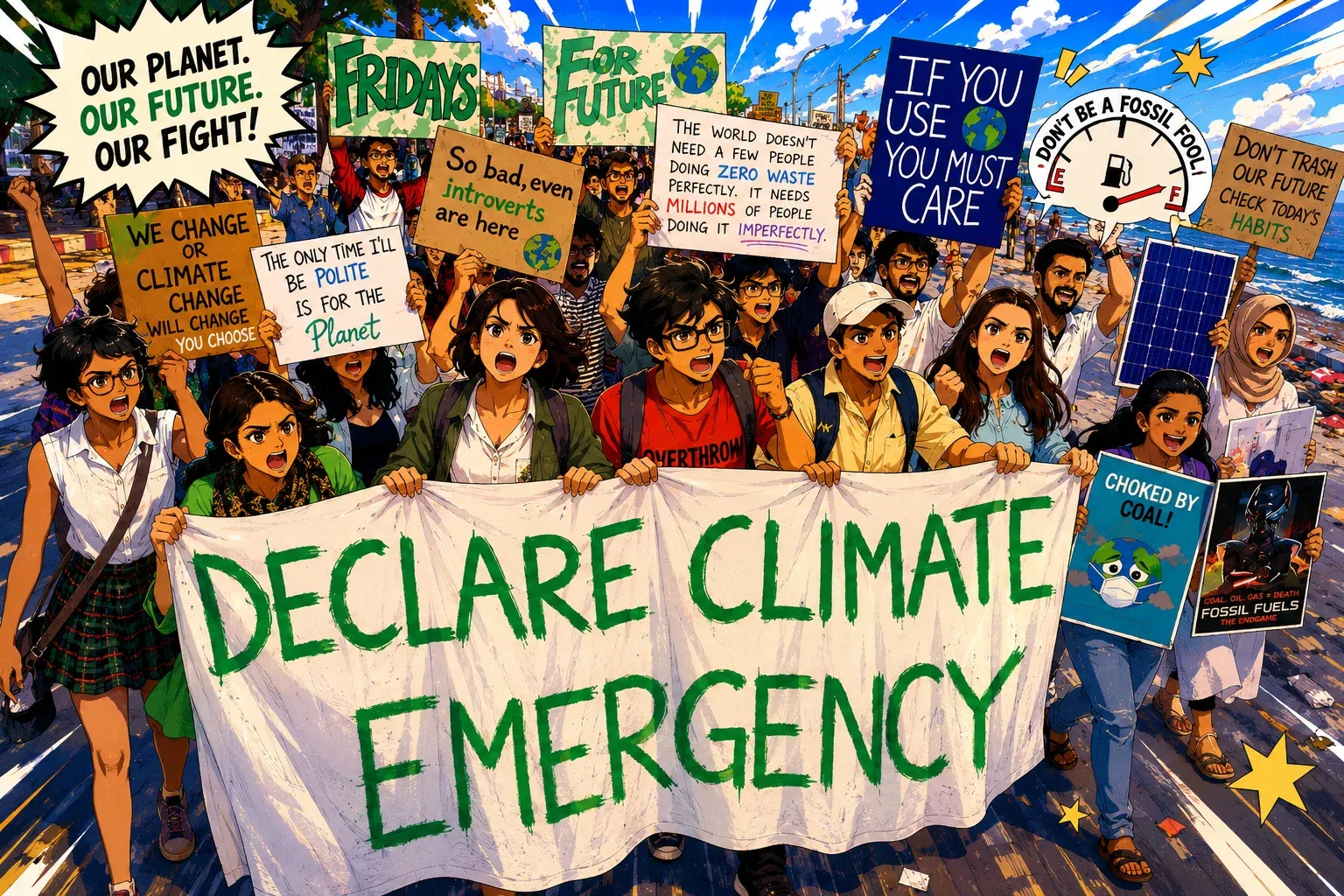
This is where the debate becomes controversial.
Developed countries such as the United States and many European nations created most of the world’s historical carbon emissions during industrialization. India argues that it should not be blamed equally for a crisis largely created by richer nations.
On a per-person basis, India’s emissions remain much lower than many developed economies. Yet India faces growing international pressure to reduce coal use and cut emissions faster.
Critics in the West often demand aggressive climate action from India. But Indian policymakers argue that millions of people in the country still need electricity, jobs, transportation, and industrial growth to escape poverty.
This creates a difficult question: should India slow economic development for climate goals when developed countries became wealthy using fossil fuels first?
At the same time, environmental activists inside India criticize the government for continuing to approve coal projects, large-scale construction, and deforestation despite clear climate risks.
India therefore exists in a strange position — both a victim of climate change and a growing contributor to future emissions.
Agriculture and Water Crisis in India
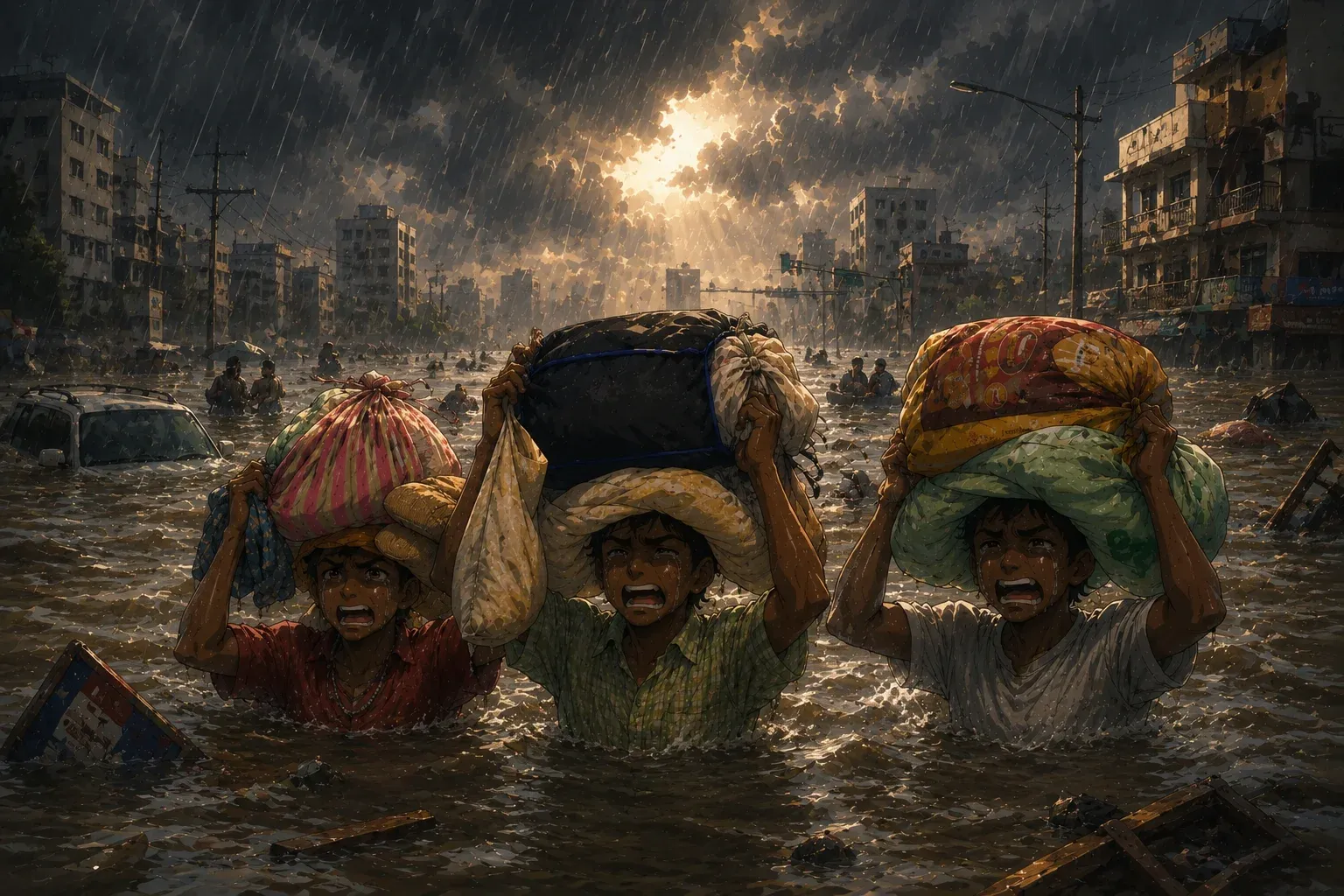
India’s farming sector remains highly vulnerable to climate change. Around half of the workforce is connected directly or indirectly to agriculture.
Farmers now face unpredictable rainfall, rising temperatures, water shortages, and stronger drought conditions. In some states, floods and droughts happen within the same year.
The IPCC has repeatedly warned that rising temperatures could reduce crop productivity across South Asia.
This threatens food prices, rural incomes, and national food security.
Water scarcity is also becoming a serious concern. Melting Himalayan glaciers may affect long-term river systems like the Ganga and Brahmaputra, which support hundreds of millions of people.
Can India Survive the Climate Crisis?
India is trying to respond through renewable energy, solar power expansion, electric mobility, and climate adaptation projects. The country is now one of the fastest-growing solar energy markets in the world.
However, many experts believe climate adaptation is still too slow compared to the speed of rising temperatures and extreme weather events.
The biggest danger is instability. Climate change threatens food systems, water supplies, public health, migration patterns, and economic growth at the same time.
In a country as large and densely populated as India, even a single failed monsoon or extreme heatwave can affect millions of lives overnight.
Conclusion
India is one of the most vulnerable countries to climate change because the risks are multiplied by population size, economic inequality, dependence on monsoons, and rapid urban growth.
The country faces a painful contradiction. It contributed far less to the climate crisis than many industrialized nations, yet it may suffer some of the harshest consequences.
The real question is no longer whether climate change will affect India. The question is how prepared the country is for what comes next.
 Raghab
 Srutir
 Sandyarani