
Introduction
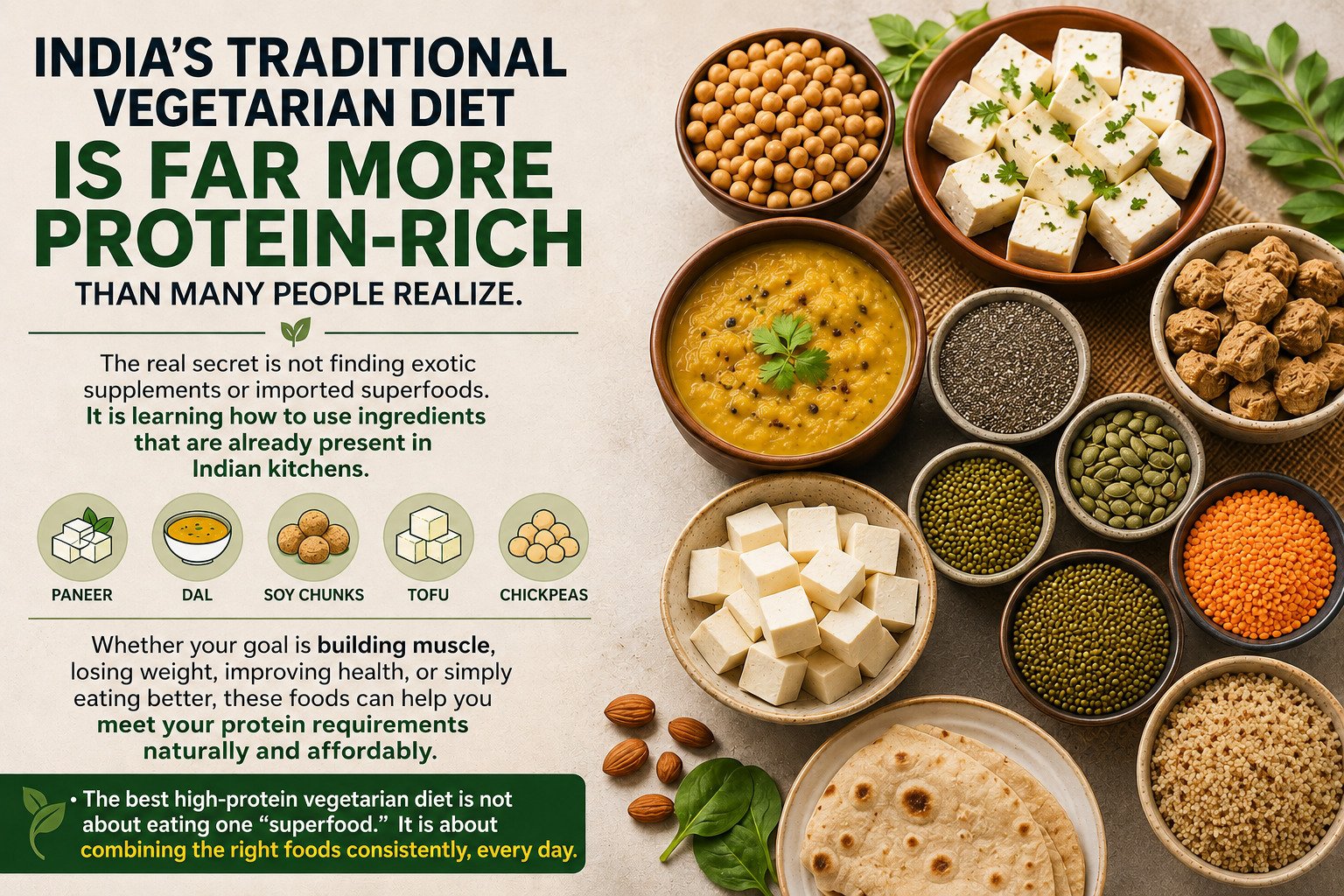
Indian cuisine is celebrated worldwide for its rich flavors, aromatic spices, and incredible diversity. From hearty curries and street food delicacies to wholesome regional specialties, Indian food has earned a special place on dining tables across the globe. Its unique blend of taste, tradition, and culture has made it one of the world’s most beloved cuisines.
However,Indian food is also unique for another reason—much of it is vegetarian. With a large portion of the population following vegetarian diets, Indian cuisine offers countless plant-based dishes. While these foods are delicious and nutritious, meeting daily protein requirements can sometimes be a challenge. Since protein plays a vital role in muscle growth, tissue repair, immunity, and overall health, it is important for vegetarians to understand which foods can help them achieve their protein needs.
Why is Protein so Important?
Protein has been referred to as the “building block of life”. It is contained within every cell in your body and is involved in muscle building and repair, immune functioning, creation of hormones and enzymes and sustained fullness. If you don’t consume enough protein then you could be at risk of;
- Muscle wasting
- Slow post exercise recovery
- Always feeling hungry
- Less strength
- Lack of energy
This is especially relevant to vegetarians who tend to have diets very high in carbs and quite low in protein.
How Much Protein Do You Actually Need?
Protein requirements vary based on age, activity level, and fitness goals.
Here’s a simplified breakdown based on the Indian Council of Medical:-
| Age Group | Protein Requirement (g/day) | Key Focus |
| Children (4–9 yrs) | 19–24 g | Growth & immunity |
| Teens (10–18 yrs) | 34–50 g | Rapid growth, hormonal changes |
| Adult Women (19–50 yrs) | 46 g | Hormonal balance, metabolism |
| Adult Men (19–50 yrs) | 56 g | Muscle repair, energy |
| Pregnant Women | 70+ g | Fetal development |
| Elderly (60+ yrs) | 55–60 g | Muscle preservation, recovery |
What Are the Best High-Protein Vegetarian Foods in India?
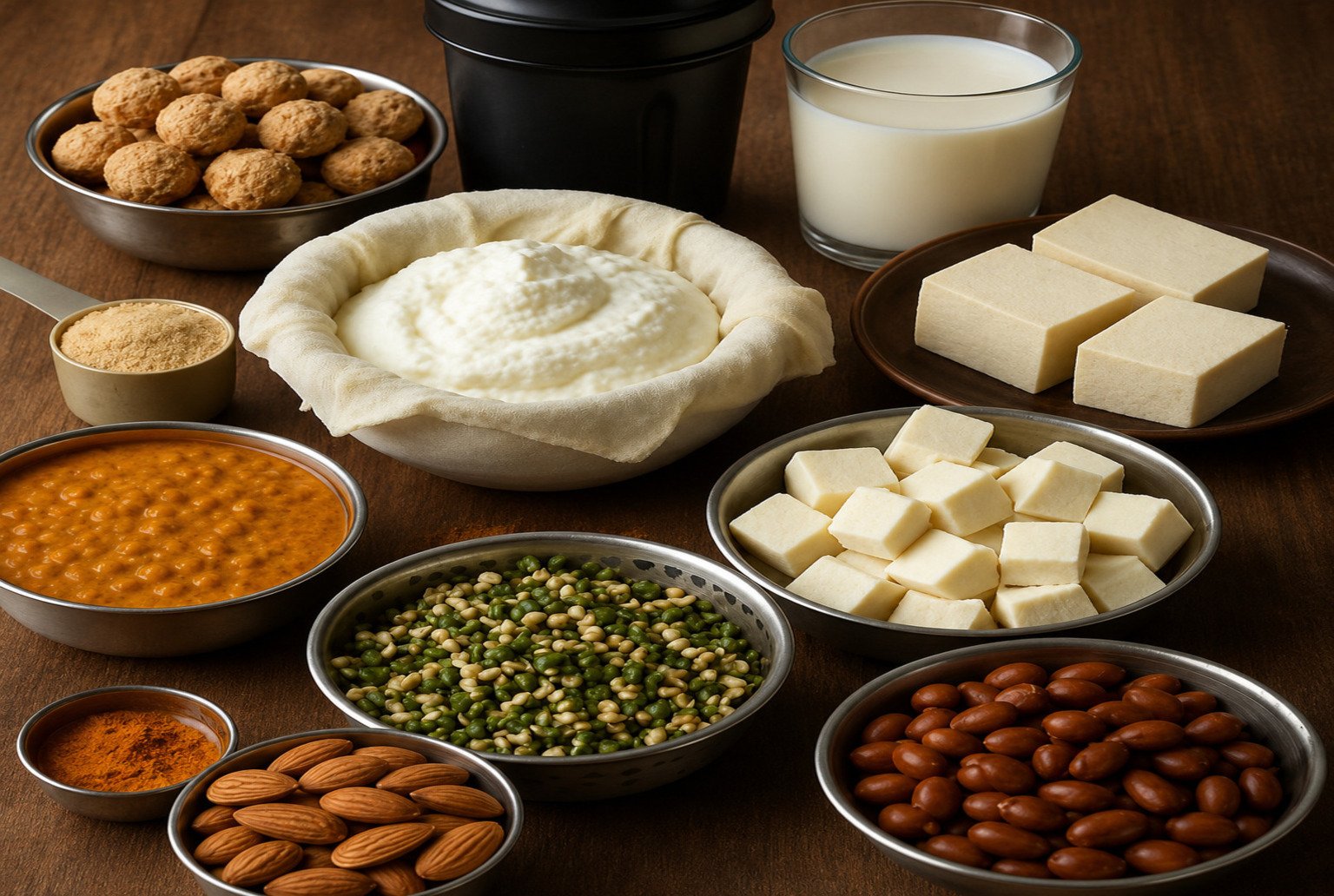
Let’s examine Nine protein-rich foods that are widely available, affordable, and easy to incorporate into everyday meals.
1. Paneer: India’s Protein King
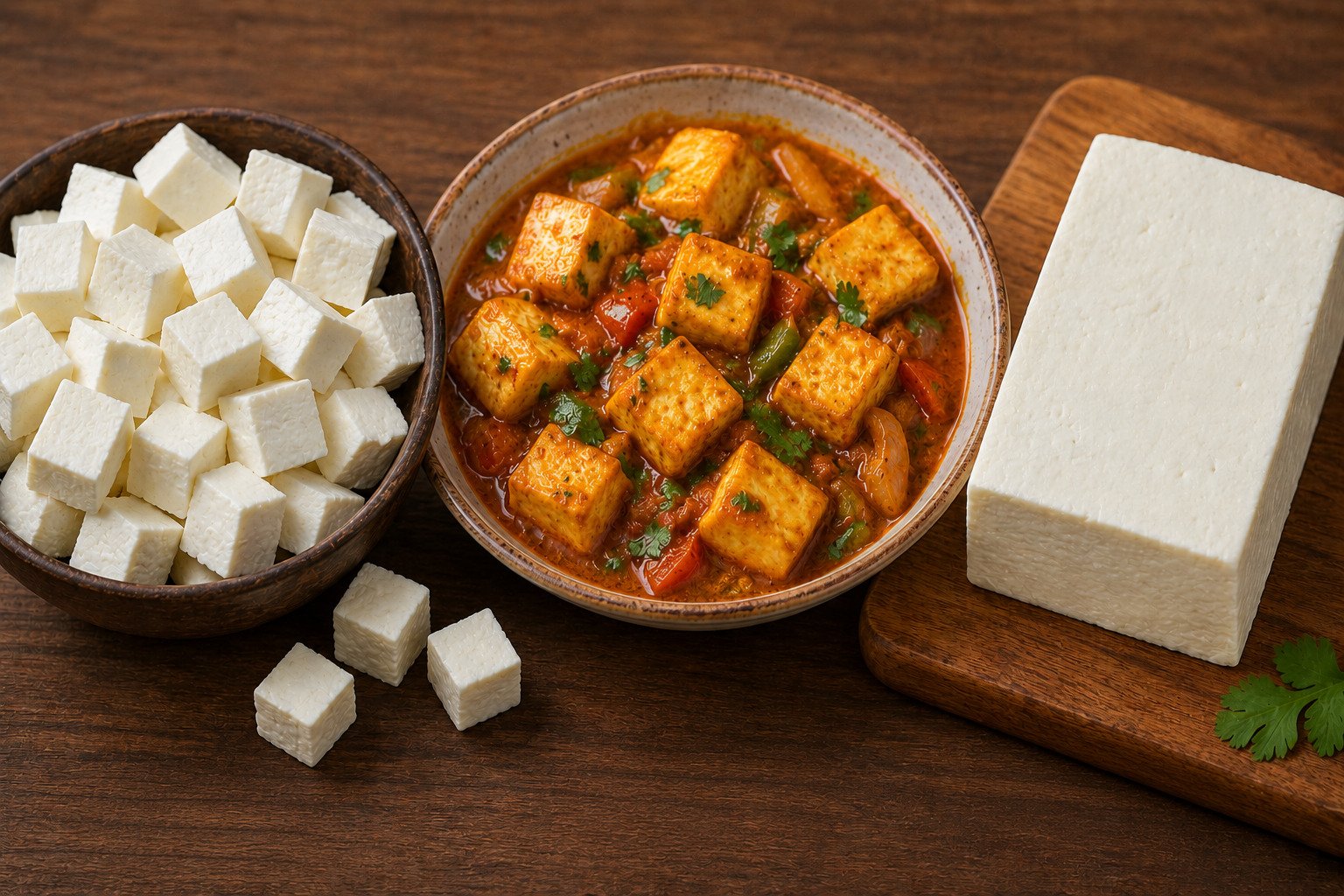
Paneer remains one of the most popular vegetarian protein sources in India.
Made from milk, paneer provides approximately 18–20 grams of protein per 100 grams and contains all essential amino acids required by the body.
Why Paneer Is So Effective
- Complete protein source
- Rich in calcium
- Supports muscle growth
- Keeps you full for longer
Best Ways to Eat Paneer
- Paneer Tikka
- Paneer Bhurji
- Palak Paneer
- Paneer Salad
2. Dal: The Everyday Protein Powerhouse
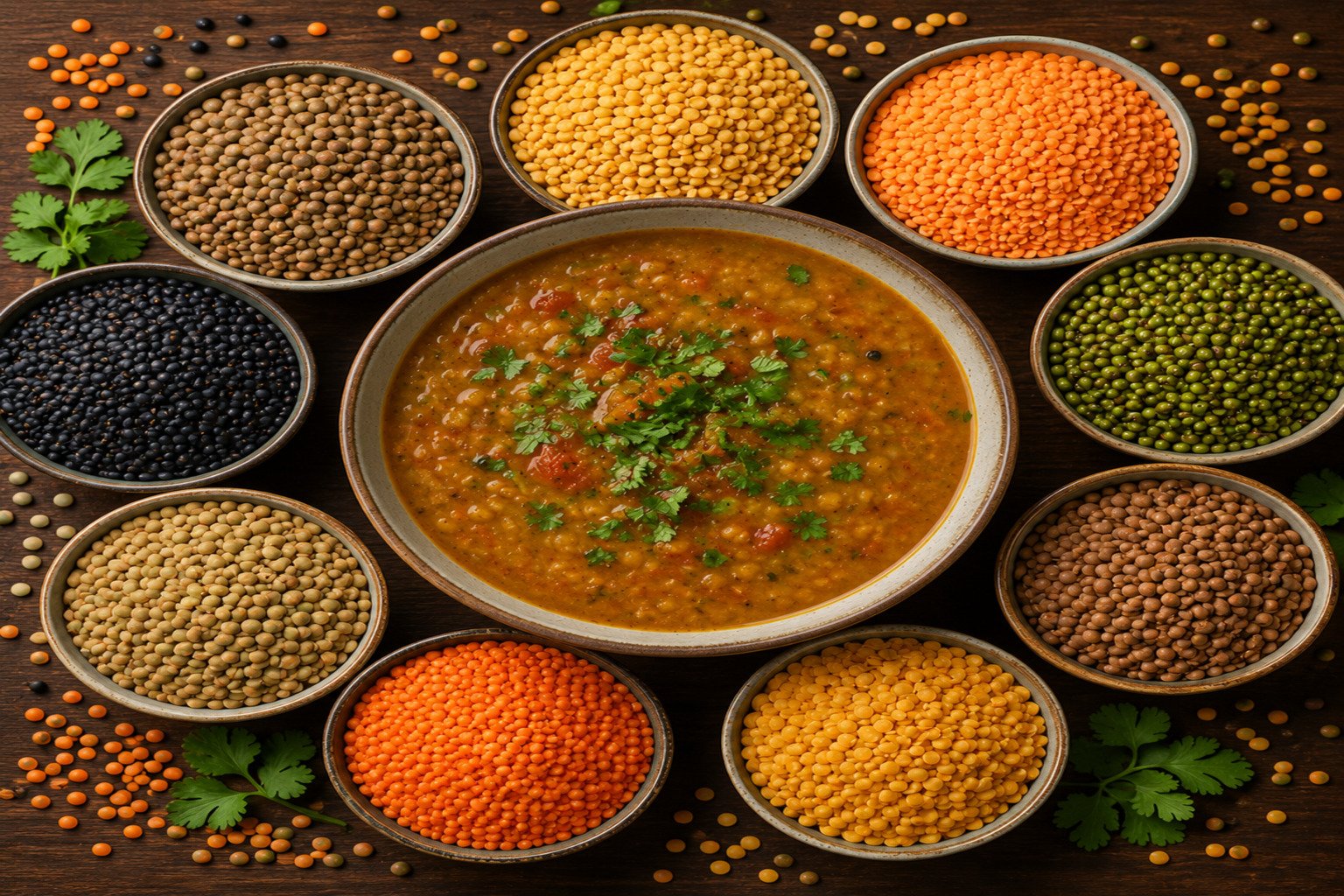
Dal has been the backbone of Indian nutrition for centuries. Dal provides a steady supply of protein that helps support muscle maintenance, recovery, and overall body function. high fiber content promotes digestive health, improves gut function, and Unlike expensive protein supplements or specialty foods, dal is available in virtually every Indian kitchen and fits almost every budget.
Different varieties such as masoor dal, moong dal, urad dal, and chana dal provide approximately 7–9 grams of protein per 100 grams when cooked.
Why Dal Matters
- Excellent Source of Plant-Based Protein
- Rich in Fiber
- Supports Heart Health
- Packed with Essential Nutrients like iron, folate, magnesium, potassium, and several Vitamin B components.
Best Ways to Eat Dal
- Dal Chawal, A timeless combination that delivers comfort, nutrition, and protein in every bite.
- Dal Tadka, Tempered with garlic, cumin, and spices for enhanced flavor.
- Panchmel Dal, A traditional blend of multiple lentils that provides diverse nutrients and amino acids.
- Moong Dal Chilla, A high-protein Indian breakfast made from ground moong dal batter.
- Khichdi, A simple and nutritious combination of rice and lentils.
3. Soy Chunks: The Highest-Protein Vegetarian Food
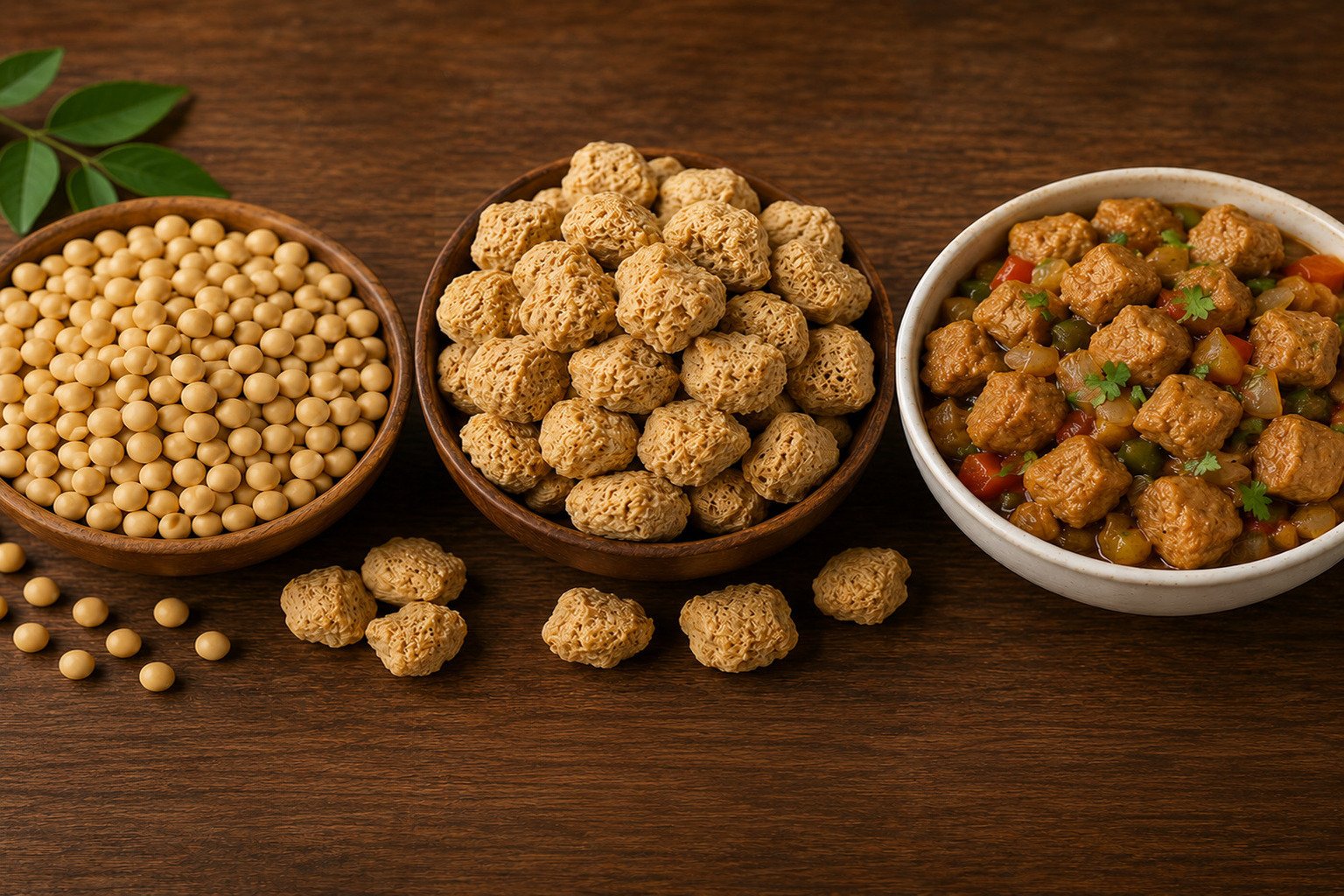
Soy chunks, also known as soya chunks, soya nuggets, or textured vegetable protein (TVP), are made from defatted soybean flour left behind after soybean oil extraction. In India, soy chunks have become a favourite among fitness enthusiasts, athletes, students, and vegetarians because they offer an exceptional amount of protein at an affordable price. Whether you’re trying to build muscle, lose weight, or improve your nutrition.
Soy chunks contain approximately 52 grams of protein per 100 grams (dry weight), making them one of the highest-protein vegetarian foods available in India. After soaking and cooking, the protein content becomes approximately 15–17 grams per 100 grams, which is still significantly higher than most legumes and vegetables.
Why Fitness Enthusiasts Love Soy Chunks
- Extremely high protein content
- Low fat
- Budget-friendly
- Long shelf life
Popular Indian Soy Recipes
- Soya Curry
- Soya Biryani
- Soya Keema
- Soya Stir Fry
4. Tofu: The Vegan Alternative to Paneer
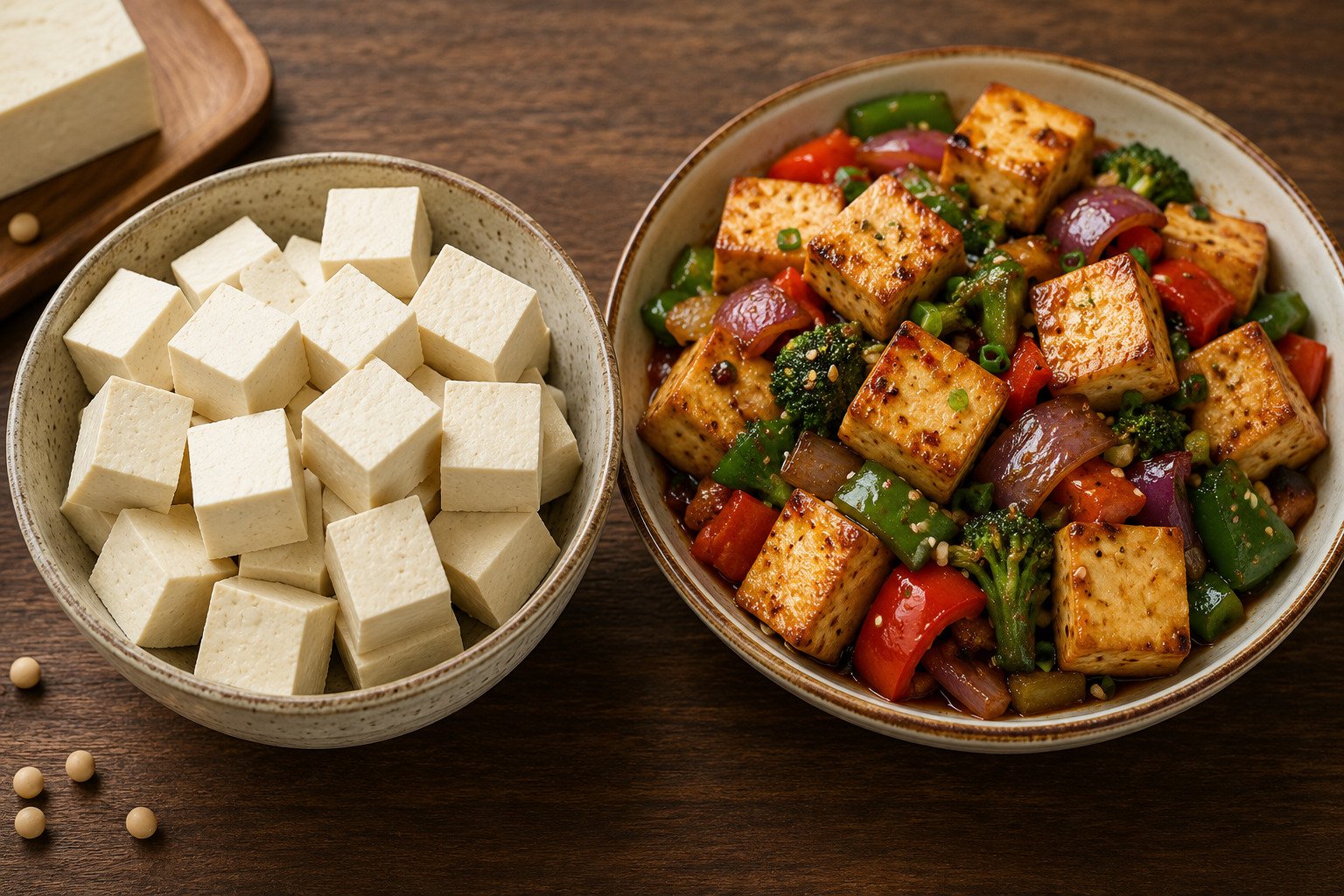
Tofu, often called bean curd, is a plant-based protein made by coagulating soy milk and pressing the resulting curds into solid blocks. In many ways, tofu is the vegan equivalent of paneer, offering a similar texture while being completely dairy-free.
Firm tofu contains approximately 8–10 grams of protein per 100 grams, making it an excellent source of high-quality plant-based protein. Unlike many plant foods, tofu is considered a complete protein, meaning it contains all nine essential amino acids that the human body cannot produce on its own.
Benefits of Tofu
- Dairy-free
- Low calorie
- Rich in calcium
- Complete protein source
Best Indian Tofu Recipes
- Tofu Bhurji
- Tofu Tikka
- Palak Tofu
- Tofu Stir Fry
5. Chickpeas (Chana): The Ancient Superfood
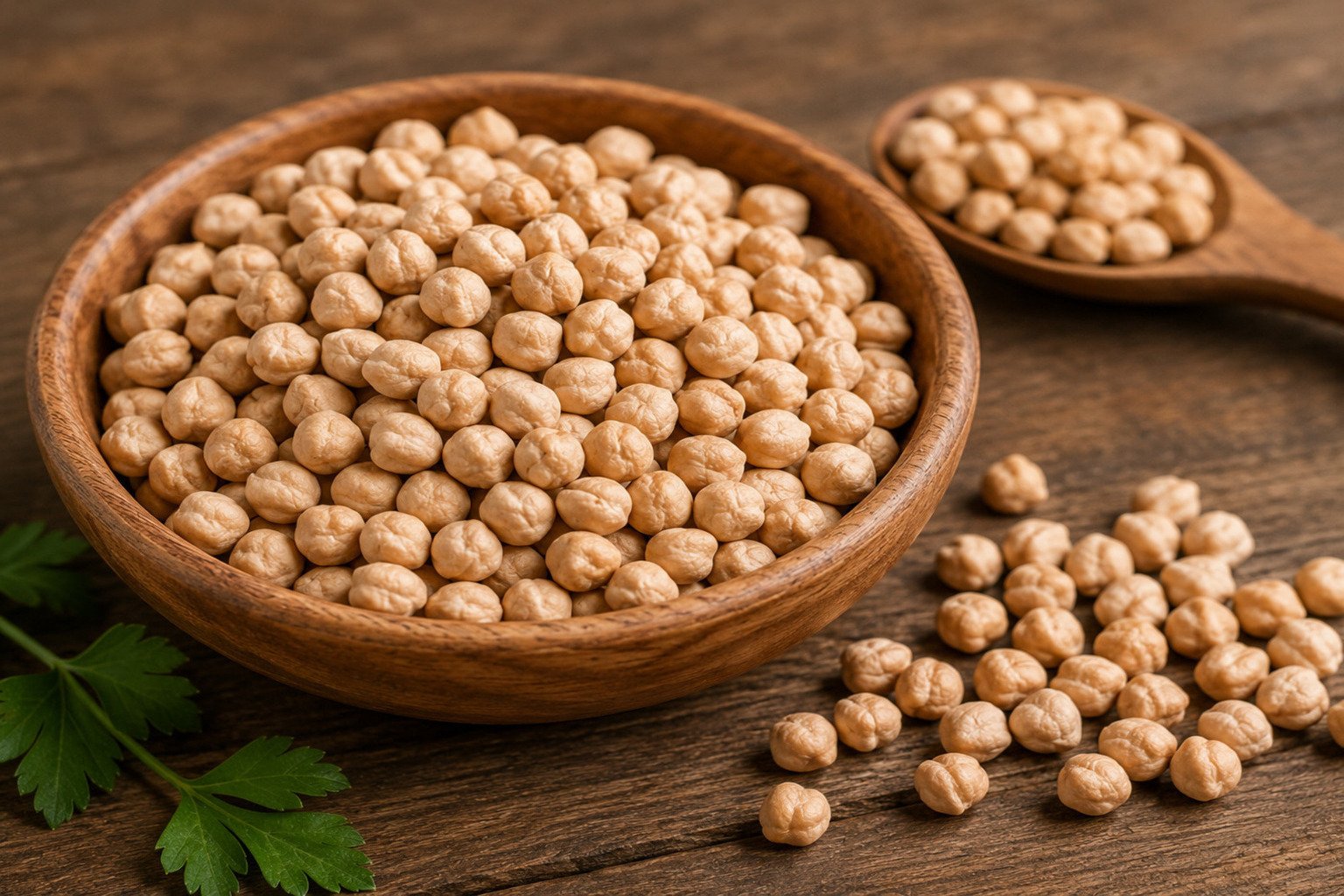
Chickpeas, commonly known as Chana in India, are one of the oldest cultivated legumes in the world. India is the world’s largest producer and consumer of chickpeas, making them one of the most accessible and affordable sources of plant-based protein available.
There are two primary varieties of chickpeas commonly consumed in India:
- Kabuli Chana – Large, cream-colored chickpeas commonly used in Chole and salads.
- Kala Chana – Smaller, darker chickpeas with a slightly nuttier flavor and higher fiber content.
Cooked chickpeas provide approximately 8–9 grams of protein per 100 grams, while dry chickpeas contain approximately 19–20 grams of protein per 100 grams before cooking.
Why Chickpeas Deserve More Attention
- Excellent for digestion
- Helps control blood sugar
- Supports weight loss
- Extremely filling
Healthy Chickpea Recipes
- Chole
- Chana Chaat
- Roasted Chana
- Hummus
- Kala Chana Curry
6. Rajma (Kidney Beans) — The Protein-Rich Comfort Food
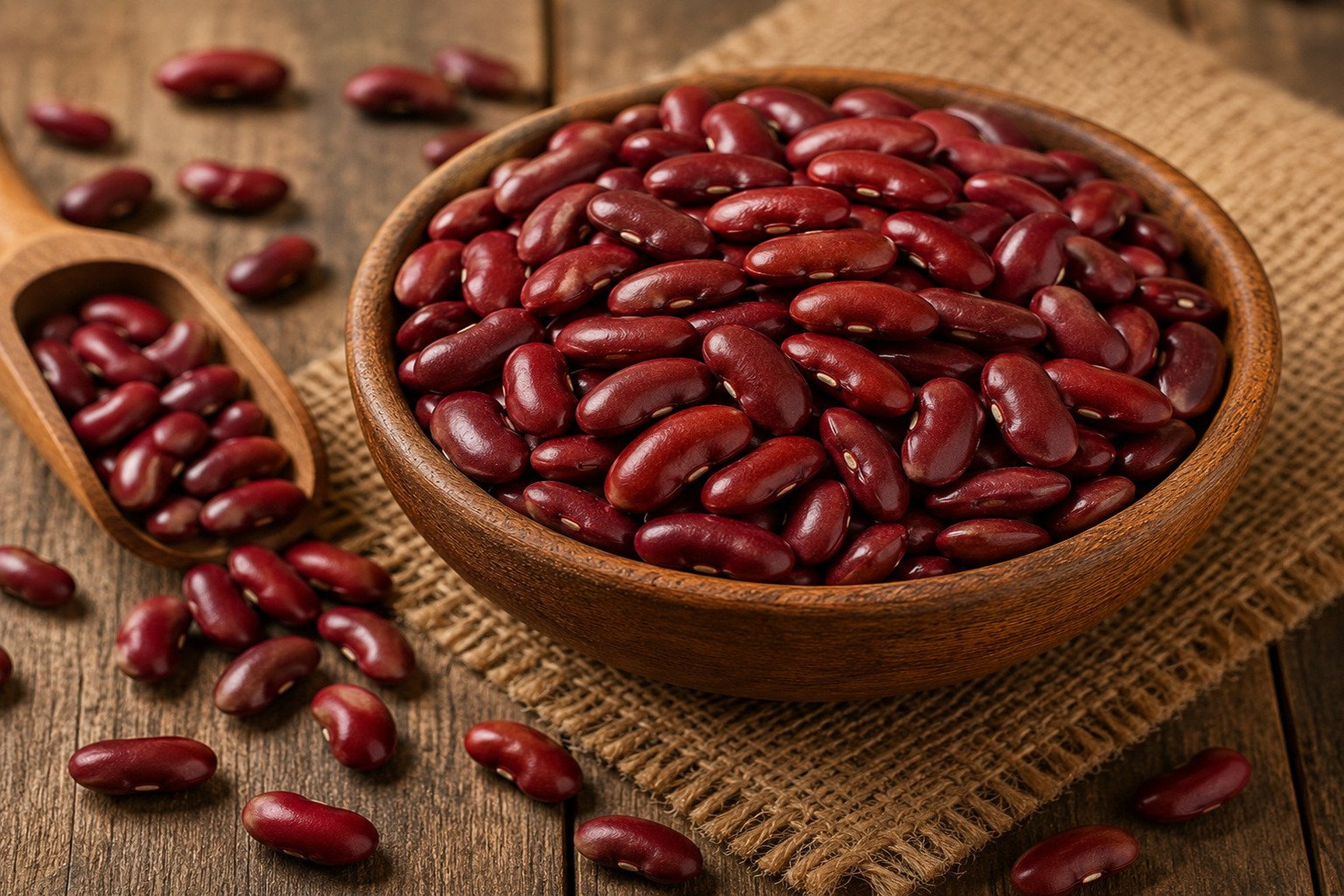
Rajma, commonly known as kidney beans, is one of India’s most beloved legumes. Originally native to Central and South America, rajma has become deeply embedded in Indian cuisine.
Cooked rajma provides approximately 8–9 grams of protein per 100 grams, while dry rajma contains around 22–24 grams of protein per 100 grams before cooking.
Why Rajma Is a Nutritional Superstar
- Rich in Plant-Based Protein
- Excellent Source of Fiber
- Supports Heart Health
- Helps Maintain Stable Blood Sugar
- Rich in Essential Minerals
Best Ways to Eat Rajma
- Rajma Salad
- Rajma Wrap
- Rajma Tikki
- Rajma Soup
7. Pumpkin Seeds — The Tiny Protein Powerhouse
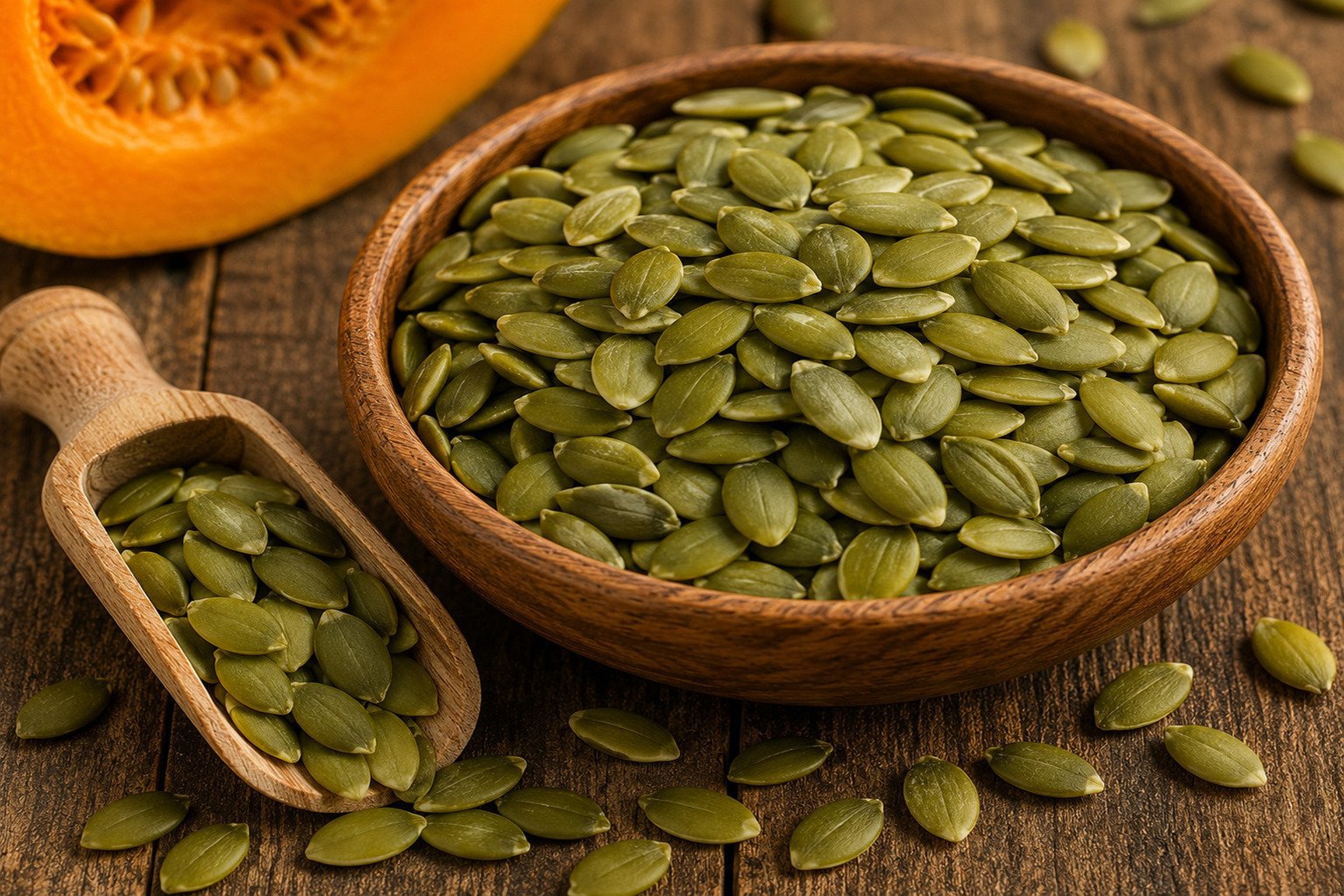
Although small in size, they are packed with protein, healthy fats, fiber, vitamins, and minerals.Unlike many traditional Indian snacks, pumpkin seeds require no cooking and can be eaten straight from the packet, making them among the easiest high-protein foods to add to your diet.
Pumpkin seeds provide approximately 30 grams of protein per 100 grams, making them one of the most protein-dense plant-based foods available.
Why Pumpkin Seeds Are a Nutritional
- Rich in Plant-Based Protein
- Excellent Source of Magnesium
- Convenient and Portable
- Supports Heart Health
Best Ways to Eat Pumpkin Seeds
- Sprinkle on Yoghurt
- Mix into Salads
- Homemade Trail Mix: Combine pumpkin seeds with almonds, raisins, and dried fruits for a healthy snack.
8. Almonds — The Nutrient-Dense Protein Snack
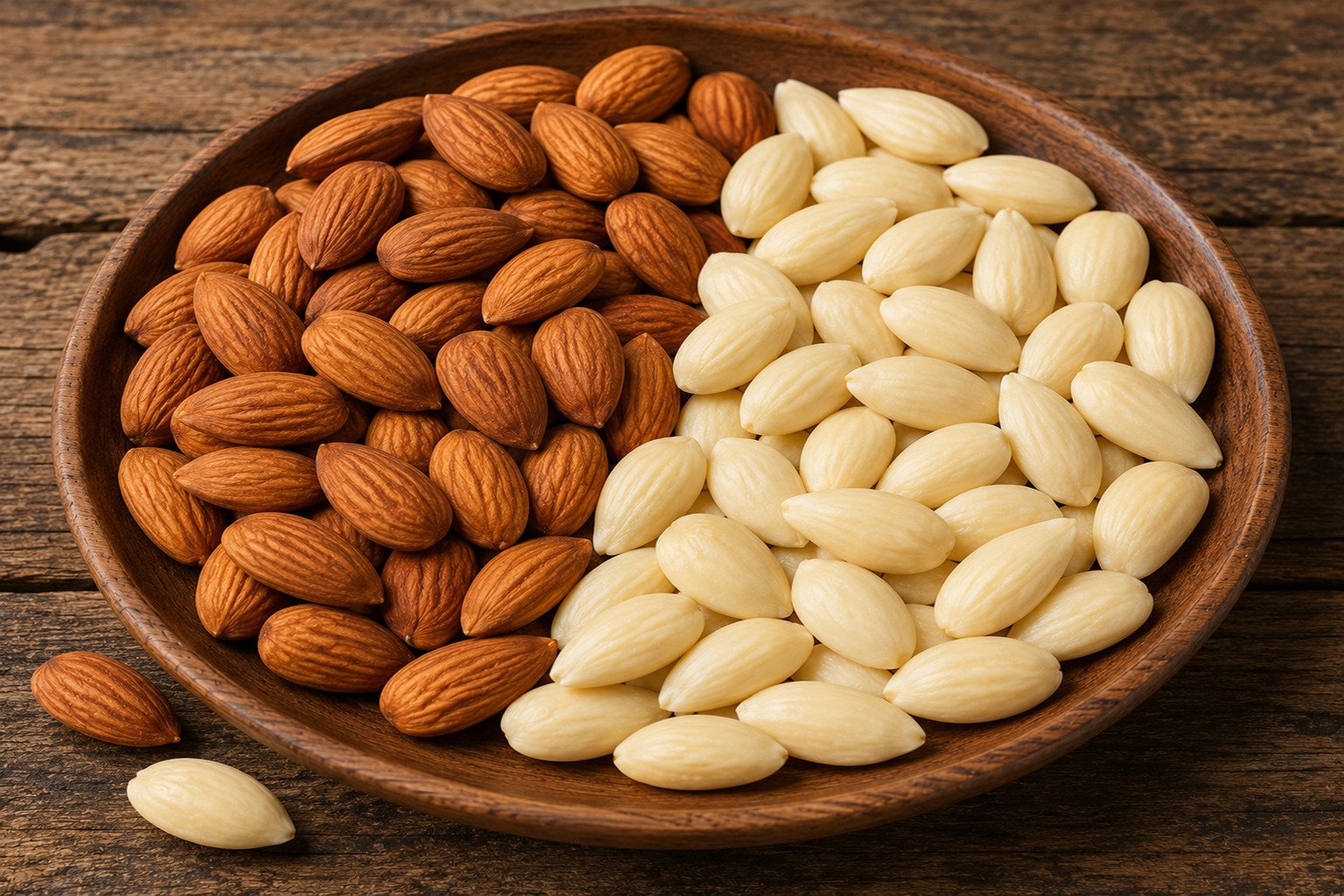
Almonds are among the most popular nuts consumed in India. Known for an impressive nutritional profile, almonds provide a combination of protein, healthy fats, fiber, vitamins, and antioxidants. You can eat them raw, roasted or soaked overnight.
Almonds contain approximately 21 grams of protein per 100 grams, making them one of the highest-protein nuts available.
Why Almonds Are a Nutritional Superstar?
- Excellent Source of Healthy Fats
- Easy to Include in Any Diet
- Supports Weight Management
- Rich in Antioxidants
Best Ways to Eat Almonds
- Soaked Almonds
- Smoothies,Blend almonds with milk, banana, and yogurt.
- Oats and Breakfast Bowls,Add chopped almonds for extra texture and nutrition.
9. Greek Yogurt — The High-Protein Dairy Super food
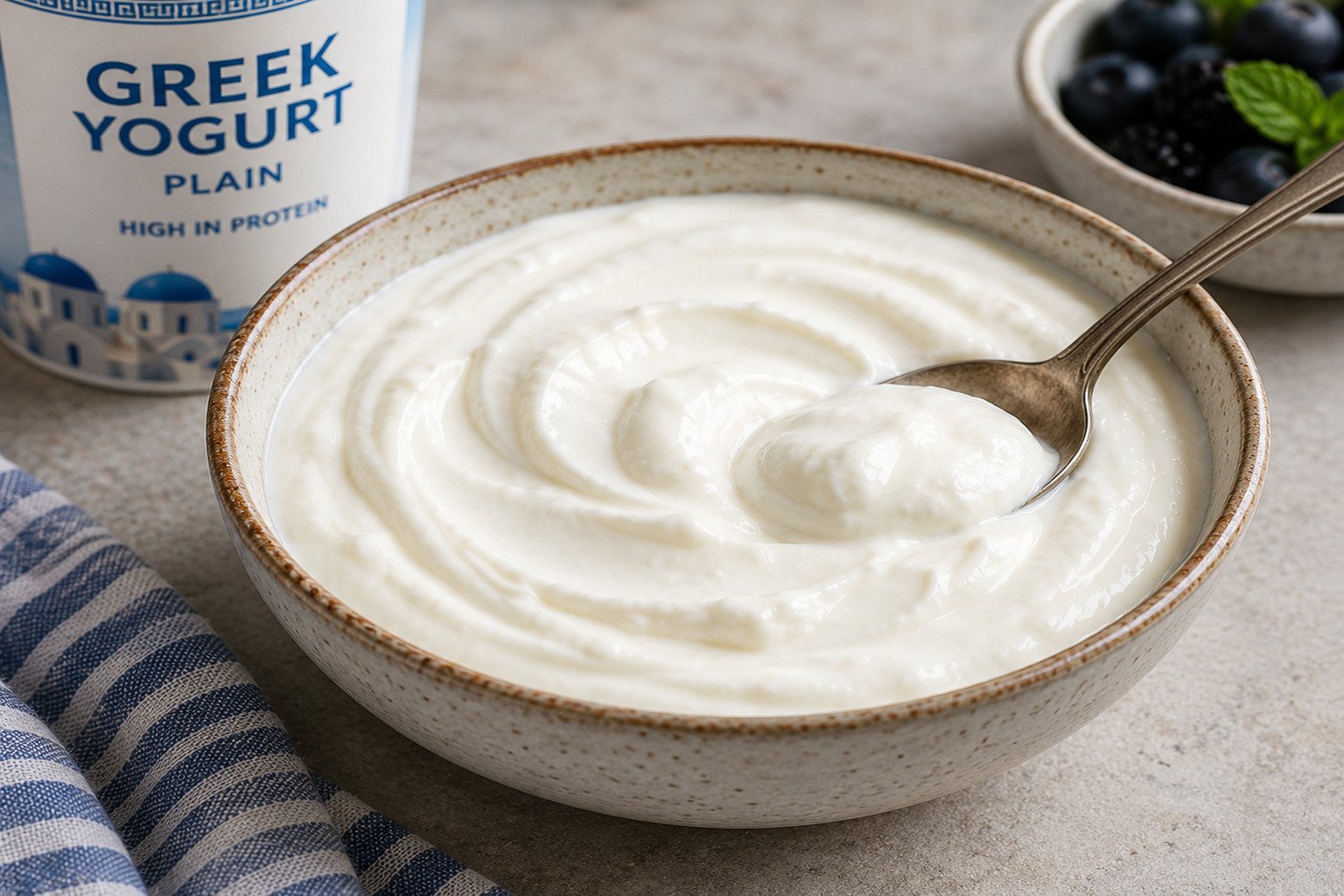
Greek yogurt is a thicker and creamier version of traditional yogurt that is produced by straining out excess whey.Greek yogurt is popular among athletes, fitness enthusiasts, and health-conscious consumers worldwide.
Greek yogurt provides approximately 10 grams of protein per 100 grams, nearly double the protein found in regular curd.
Why Greek Yogurt Is a Nutritional Superstar
- High-Quality Complete Protein, It contains all nine essential amino acids required by the body.
- Supports Gut Health, The probiotics in yogurt help maintain a healthy digestive system and support immunity.
- Excellent for Muscle Recovery
- Keeps You Full Longer, Its high protein content promotes satiety and helps manage hunger.
Best Ways to Eat Greek Yogurt
- Breakfast Bowl,In a bowl, add Greek yogurt, some berries, any other fruits of your choice, and one scoop of peanut butter.
- Healthy Dips, Use as a base for vegetable dips and dressings.
Frequently Asked Questions
Which vegetarian food has the highest protein?
Soy chunks provide approximately 52 grams of protein per 100 grams in dry form, making them one of the highest-protein vegetarian foods available.
Can vegetarians build muscle without whey protein?
Absolutely. Paneer, soy chunks, tofu, dal, chickpeas, milk, and Greek yogurt can provide sufficient protein for muscle growth.
Is tofu healthier than paneer?
Both are nutritious. Paneer contains more protein and fat, while tofu is lower in calories and suitable for vegans.
How can I get 100 grams of protein daily as a vegetarian?
By strategically combining paneer, soy chunks, tofu, dal, chickpeas, yogurt, and milk throughout the day.
Is it true that plant proteins are “incomplete”?
No, not exactly. Most plant proteins are not “bad” or “useless” proteins. They simply contain lower amounts of one or more essential amino acids compared to animal proteins. This is rarely a problem if your diet is varied. Eating traditional Indian combinations like dal with rice, roti with dal, or dosa/idli (rice and urad dal) creates complete amino acid profiles throughout your day.
What to Avoid?
Vegetarian biryani without paneer or soya is mostly rice with little protein.
Plain dal with white rice in small amounts does not provide enough protein. Increase the dal portion.
Vegetable cutlets are mostly potato and breadcrumbs. Limited protein.
Fruit-only meals are low in protein.
Sugary “protein bars” often have less protein and more sugar than the marketing suggests.
What Does “Incomplete Protein” Mean?
Protein is made up of smaller building blocks called amino acids. Your body needs 20 amino acids to function properly, and 9 of them are called essential amino acids because your body cannot make them on its own.
Examples of complete veg proteins include:
- Milk
- Paneer
- Greek Yogurt
- Tofu
- Soy Chunks
Final Thoughts
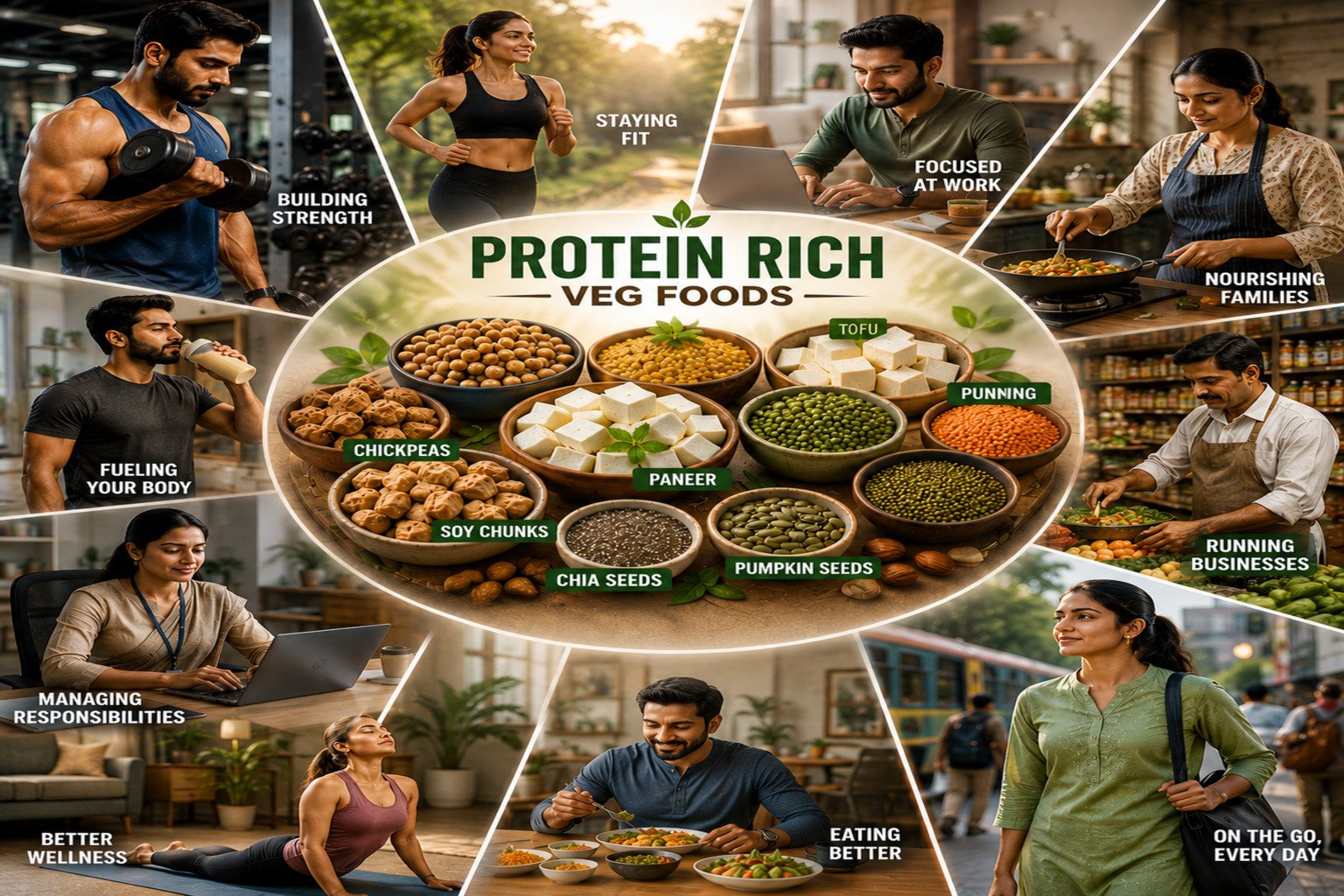
India’s age-old vegetarian diet contains a much higher amount of protein than most people would assume. The key lies in knowing how to prepare the ingredients that are readily available in every Indian kitchen.
Whether you are aiming to build muscle, shed weight, improve your health, or simply eat better, paneer, dal, soy chunks, tofu, chia seeds, pumpkin seeds, almonds, and chickpeas are excellent sources of the protein your body needs.
The best high-protein vegetarian diet is not about eating one “superfood.” It is about combining the right foods consistently, every day.
 Archanah
 Saisangita
 Abhilipsa01