
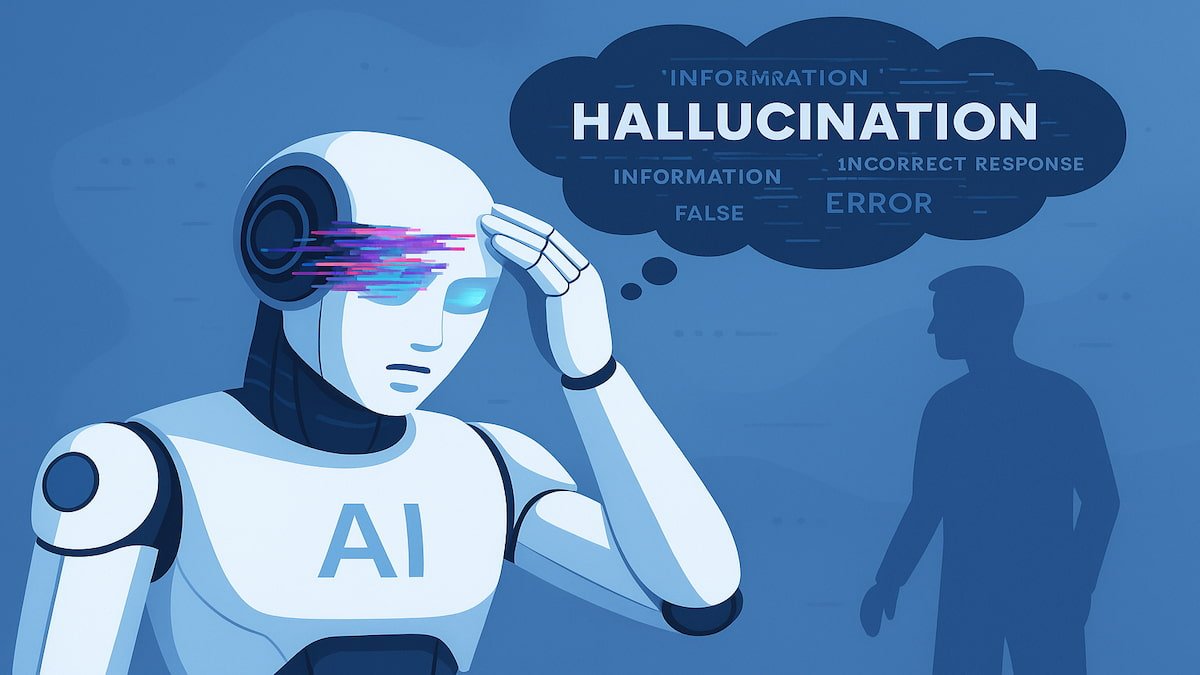
Imagine asking an artificial intelligence (AI) a simple question and receiving an answer that sounds perfectly convincing. It is detailed, well-written, and delivered with confidence. There is just one problem: the answer is completely wrong.
This is one of the challenges of modern generative AI. AI tools can sometimes invent facts, produce misleading explanations, or provide references that do not correspond to real sources. Researchers studying large language models have documented these errors, commonly known as AI hallucinations. Google Research examines how these errors arise and why they remain difficult to eliminate.
So, why does AI give wrong answers if it has been trained on enormous amounts of information? The answer lies partly in how generative AI systems learn patterns and generate responses. Rather than independently verifying every statement against reality, a language model generates text based on patterns learned during training and the context it receives. As a result, a response can sound plausible without being factually correct. A 2026 study published in Natureexplores how next-token prediction and evaluation methods can contribute to confident but incorrect answers. Read the research in Nature.
Understanding why AI makes mistakes is increasingly important as people use these tools for education, research, work, and everyday decisions. AI can be useful, but fluent language should not be mistaken for proof of accuracy.
In this guide, we will explore what AI hallucinations are, why artificial intelligence sometimes produces incorrect information, and how you can verify AI-generated answers before relying on them.
What is AI Hallunication?
AI hallucinations occur when an artificial intelligence system generates information that appears convincing but is factually incorrect, misleading, or unsupported by reliable evidence.
For example, an AI tool might invent a research paper, provide a false historical date, cite a website that does not exist, or confidently explain something using incorrect information. The response may sound natural and authoritative, making the mistake difficult to notice.
The term AI hallucination is commonly used when discussing errors produced by generative AI systems, particularly large language models (LLMs). These models can generate human-like text, summarise documents, answer questions, and assist with research. However, their ability to produce fluent responses does not guarantee that every statement is true.
A Simple Example of an AI Hallucination
Imagine asking an AI assistant:
“Which book did a particular scientist publish in 2023?”
If the scientist did not publish a book that year, an unreliable AI response might still provide a plausible-sounding title, publication date, and publisher. The details could look genuine even though the book does not exist.
This is an example of an AI hallucination: the system produces an answer that fits the question but is not supported by facts.
Are AI Hallucinations the Same as Ordinary Mistakes?
Not exactly. An AI system can make a straightforward error, such as getting a calculation wrong or misunderstanding a question. The term hallucination is particularly useful when the system generates unsupported details or presents fabricated information as though it were factual.
Researchers have studied these problems in large language models and explored methods to identify and reduce them.
Source: research.google, sciencedirect.com
Why Does AI Give Wrong Answers?
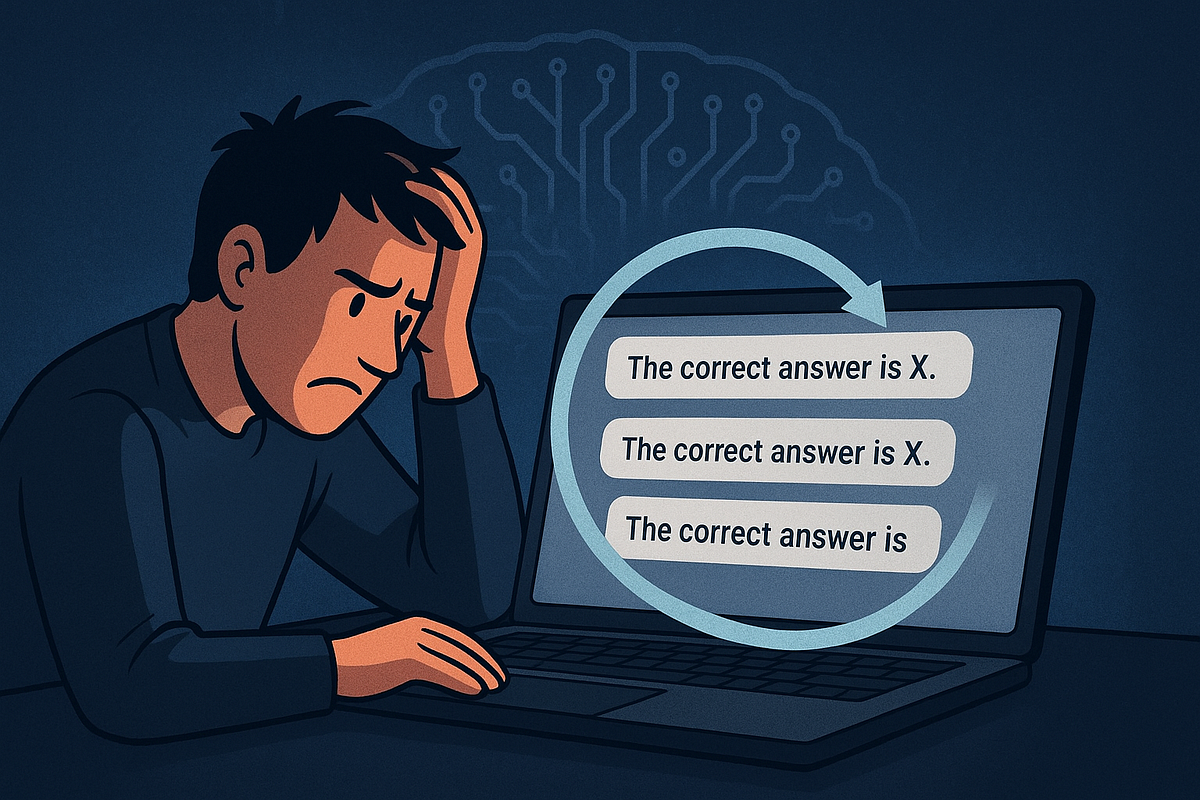
Artificial intelligence can generate inaccurate answers for several reasons. Although modern AI systems can process large amounts of information and generate surprisingly natural responses, there is no guarantee that every statement they generate is factually accurate. Here are the top 5 reasons why AI sometimes makes mistakes.
1. AI Predicts Patterns Rather Than Independently Verifying Every Fact
Large language models learn patterns in text during training. When answering a question, they generate a response based on those learned patterns and the context provided.
This means an answer can sound logical and well-written without being factually accurate. The model’s ability to produce convincing language is not the same as independently verifying every claim.
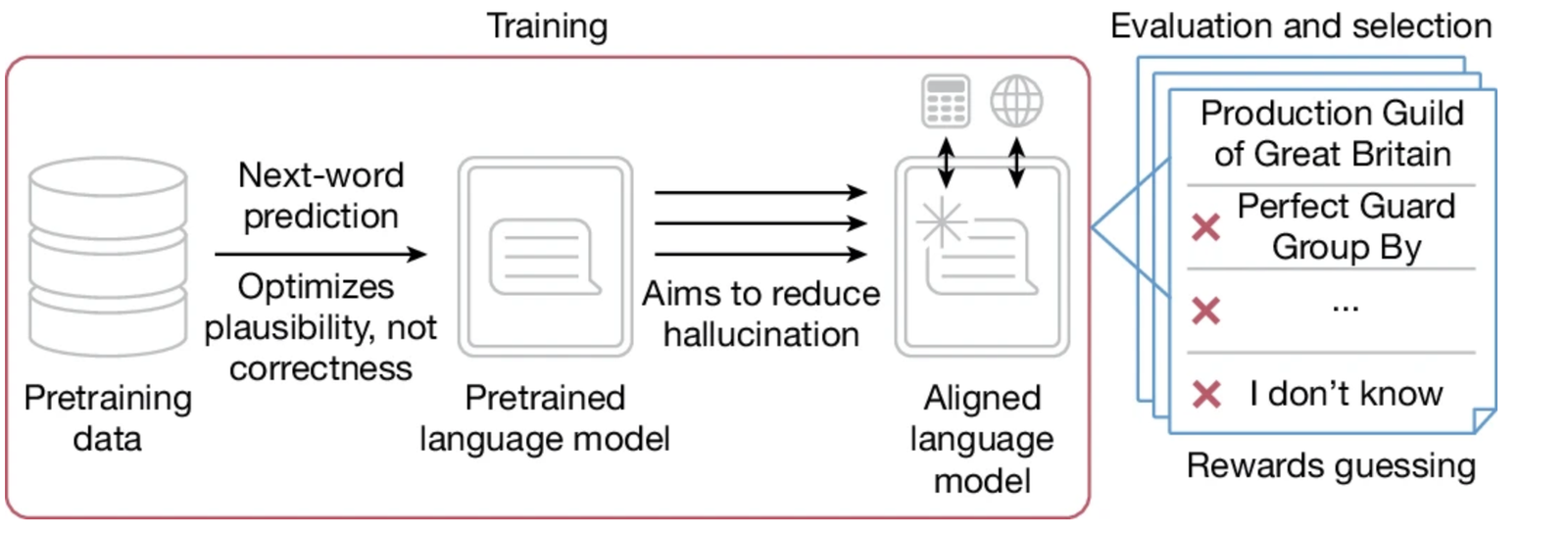
A 2026 study published in Nature explains how the statistical process behind language generation can contribute to hallucinations, especially when information is rare or insufficiently represented in training data.
Example: An AI assistant might generate a plausible publication title for a researcher even when it cannot establish that the publication exists.
Source: nature.com
2. Gaps in Training Data
AI models learn from training data, but that data cannot contain every fact, event, document, or personal detail. Some information may also be outdated, incomplete, or poorly represented.
When a question concerns an obscure topic or a specific detail that the model has not reliably learned, the system may generate an incorrect answer instead of recognising the gap.
For example, asking about a little-known local event may produce an answer that mixes genuine background information with invented details.
Google Research has investigated how learned statistical patterns and memorised information can contribute to hallucinations in language models.
Source: research.google
3. AI May Guess Instead of Admitting Uncertainty
One reason AI sometimes gives wrong answers is that it may generate a response even when it does not have enough reliable information to answer correctly.
Ideally, an AI system should acknowledge uncertainty, ask for additional context, or look for trustworthy sources rather than inventing an answer. In practice, however, AI systems do not always recognise when their knowledge is insufficient.
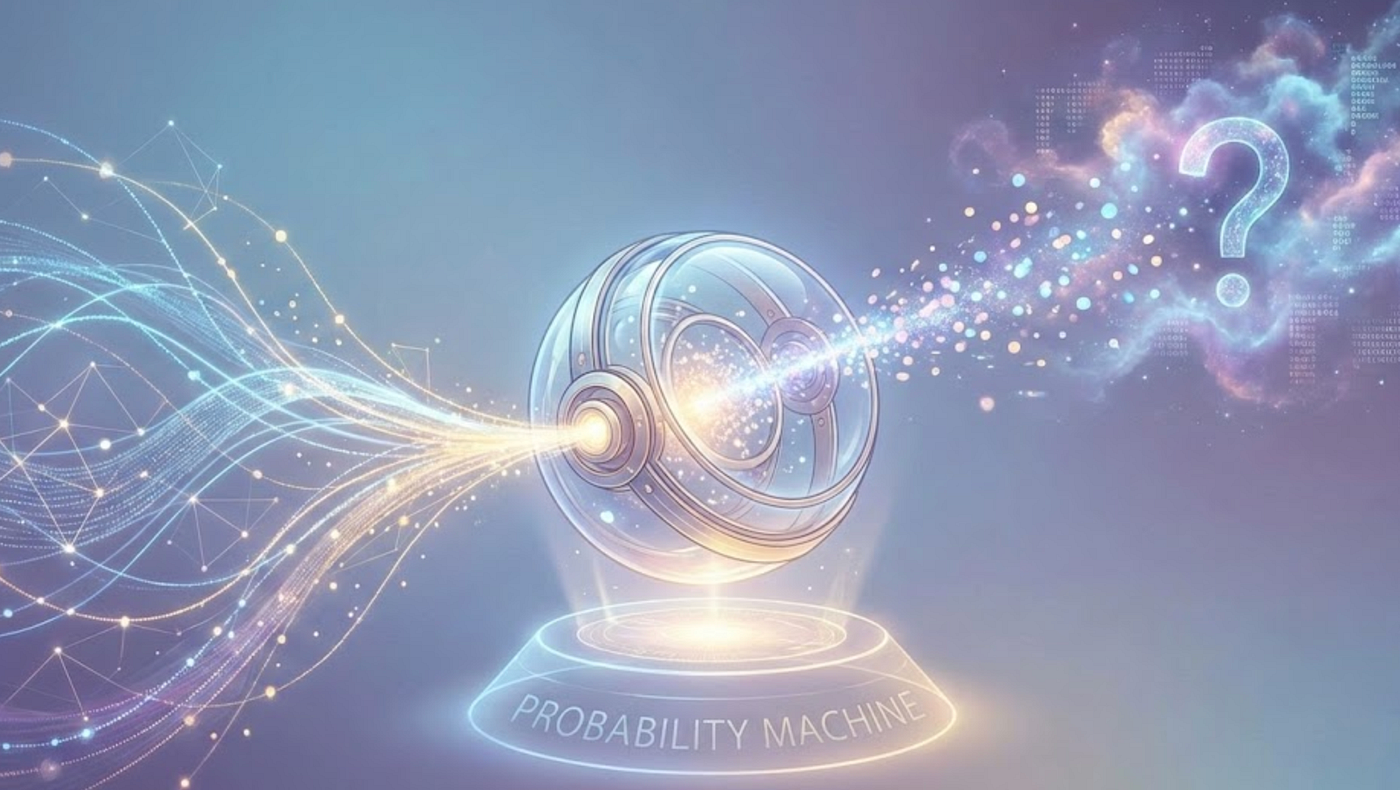
Research published in Nature in 2026 found that accuracy-focused evaluation methods can incentivise large language models to guess rather than admit uncertainty. When a system is rewarded for producing correct answers but penalised for abstaining, guessing may sometimes appear more beneficial than saying “I don’t know.”
This helps explain why an AI response can sound confident while containing false information. A confident tone does not necessarily mean the system has verified its answer.
Example: Suppose you ask an AI tool for the publication date of an obscure research paper. If it cannot establish the date from reliable information, it might still provide a plausible date rather than acknowledge that it cannot verify the detail.
Researchers are exploring ways to help AI systems recognise uncertainty and abstain when appropriate. However, these capabilities are not perfectly reliable, so important claims should still be checked against credible sources.
Source: nature.com, manuelgarcia.info
4. Ambiguous or Incomplete Questions
The way a question is written can also affect an AI response.
If a prompt is vague, lacks important context, or contains an incorrect assumption, the system may misunderstand what is being asked and produce an unsuitable answer.
For example, asking “What is the best treatment?” without specifying the condition, circumstances, or relevant medical history leaves important information missing.
Providing clear context can improve the usefulness of an answer, although it cannot guarantee accuracy.
5. Incorrect Information Can Sound More Convincing Than It Is
AI-generated text often follows familiar patterns of professional writing. It can organise information into headings, explanations, lists, and references that appear credible.
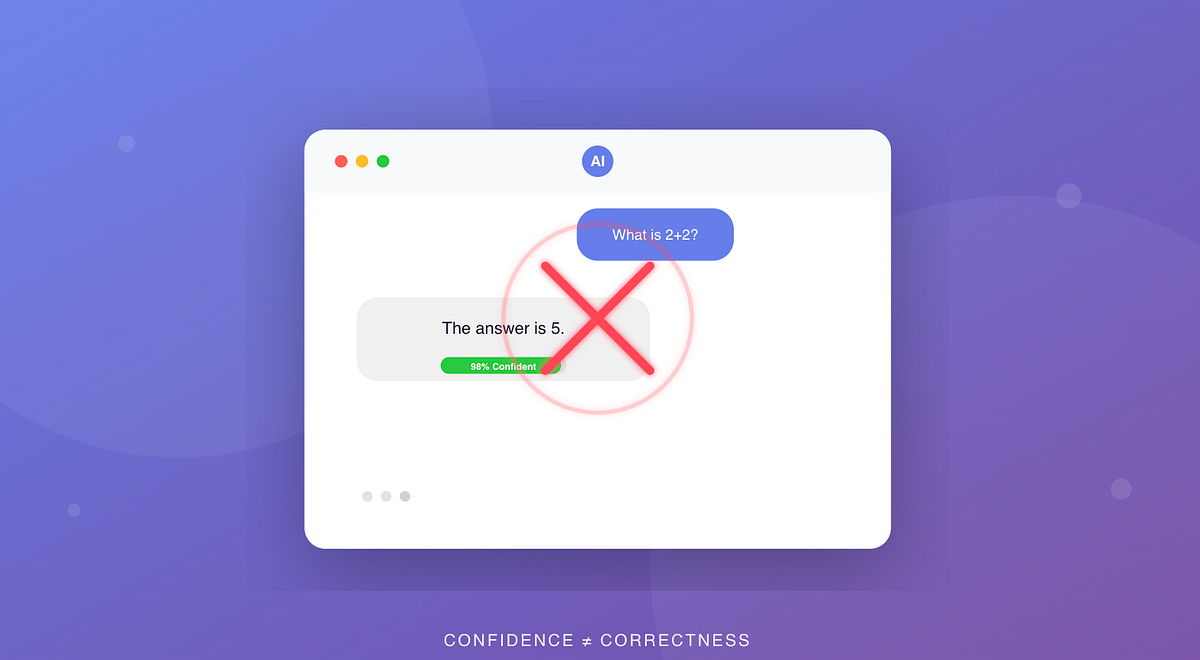
However, a polished presentation does not establish that the underlying claims are true. AI may also generate incorrect citations or combine accurate facts with unsupported details.
Research published in Nature in 2024 explored how uncertainty across a model’s possible responses can help identify certain types of hallucinations. This highlights the importance of assessing reliability rather than judging an answer by how convincing it sounds.
Source: nature.com
Can AI Hallucinations Be Completely Eliminated?
Researchers are developing ways to reduce hallucinations, including connecting AI systems to reliable information sources, improving evaluation methods, and helping models communicate uncertainty more appropriately.
Nevertheless, hallucinations remain a challenge. Even advanced AI systems can generate false or unsupported information.
The safest approach is to use AI as an assistant for research, writing, learning, and brainstorming while independently checking important claims before relying on them.
Understanding why AI makes mistakes is the first step towards using it more responsibly.
 Kavya
Kavya