

Ever noticed how some places suddenly start using a different name—and everyone gets confused? That’s exactly what happened when Kerala decided to officially use “Keralam” in 2026. At first, it sounds like a big change. But here’s the truth: the name “Keralam” was always there. Most people outside just didn’t notice it.
Let’s break it down in the simplest way possible.
So… what does “Keralam” actually mean?
“Keralam” (കേരളം) comes from Malayalam, the language spoken in the state. If you break it down, it’s pretty simple:
“Kera” means coconut
“Alam” means land
So, Keralam literally means “Land of Coconuts.”
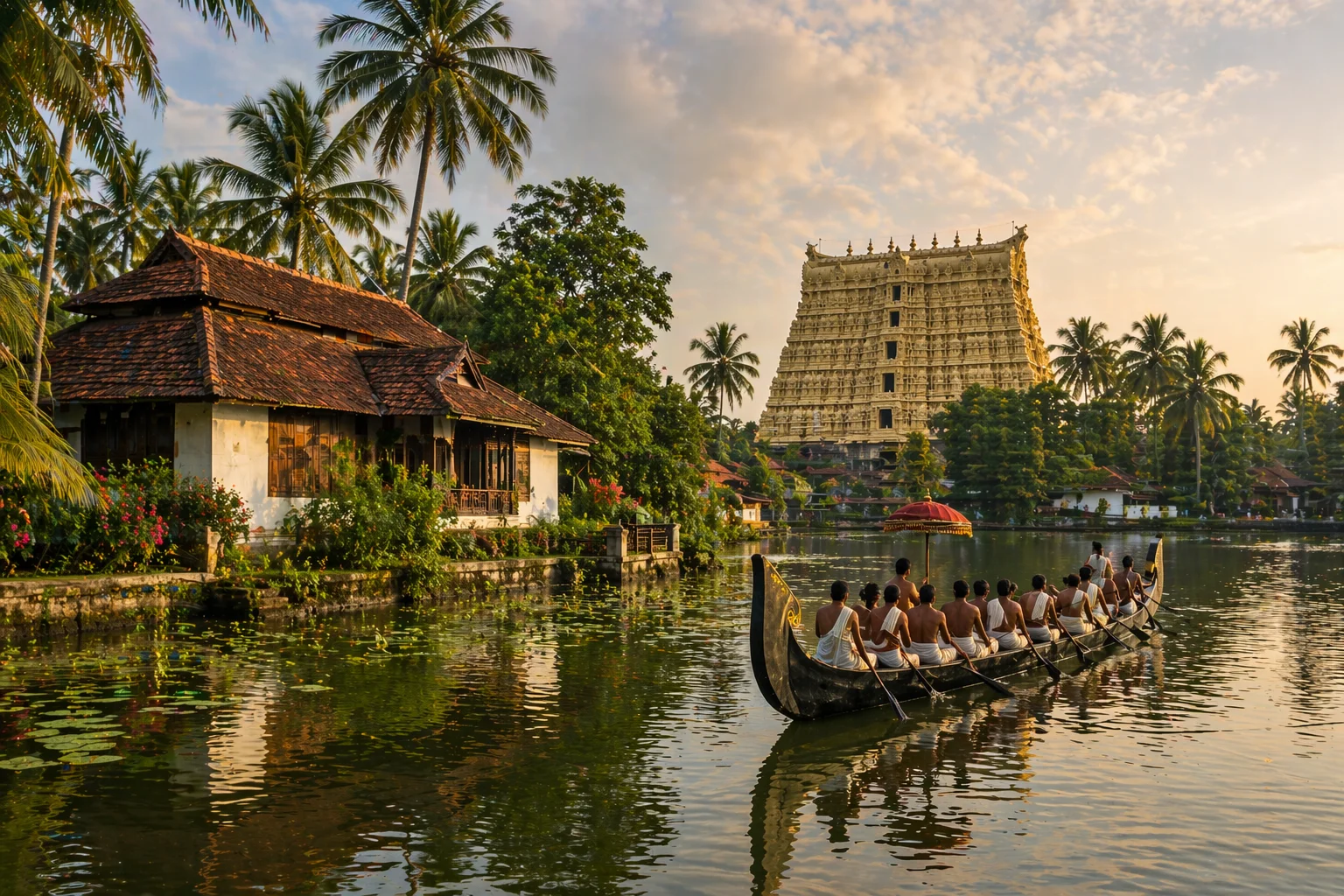
If you’ve ever seen pictures of Kerala—with palm trees, beaches, and backwaters—it makes perfect sense. But this isn’t just about coconuts. The name reflects the region’s identity, geography, and culture.
Then, Why Was It Called “Kerala”?
“Kerala” is basically the English version of “Keralam.”
During British rule, a lot of Indian names were changed slightly so they were easier to say and write in English. Over time, these versions became official. They showed up on maps, in documents, and in global conversations.
Even after India became independent, the name “Kerala” stayed. It was already everywhere, and changing it back wasn’t really a priority at the time.
But inside the state, people never really stopped saying “Keralam.”
Key distinction: "Kerala" is the anglicised constitutional name used since 1956. "Keralam" is the authentic Malayalam name that predates the Constitution by over 2,000 years. The name change corrects a historical inconsistency, not a new rebranding.
What changed in 2026?
In 2026, the government decided to make “Keralam” the official name in a more formal way, even in English usage.
This didn’t happen randomly. It came through a state assembly resolution, which is basically a formal way of saying, “This is what we want to be called.”
Now, that doesn’t mean everything changed overnight. These things take time. Documents need updates, approvals are required, and people around the world take a while to adjust.
So for now, both names still exist side by side.
As of April 2026, the Union Cabinet has approved the proposal. The bill still needs to pass through Parliament and receive Presidential assent to take full legal effect.
But why make this change at all?
At first, it might feel unnecessary. After all, “Kerala” was already working fine, right?
But this is less about fixing something broken and more about owning identity.
Across India, there’s been a slow shift toward using original, local names instead of colonial versions. You can see it in cities like Bengaluru and Kolkata. The idea is simple: if a place already has a name in its own language, why not use that?
For Kerala, “Keralam” feels more real. It sounds like the language people actually speak. It carries history, culture, and a sense of belonging that “Kerala” doesn’t fully capture.

So, is this a big deal or not?
If you’re just looking at it as a name, it might not feel like a big change.
But if you think about what names represent—language, history, identity—it starts to feel more meaningful.
This isn’t really about replacing “Kerala.” It’s about bringing “Keralam” into the spotlight and saying, “This is who we’ve always been.”
Conclusion
At the end of the day, nothing about Kerala itself has changed. The coconut trees still line the roads, the backwaters are just as calm, and the green landscapes still feel like something out of a postcard. What has changed is the name people are choosing to use—and that choice carries meaning.
“Keralam” isn’t a new identity. It’s the original one. The 2026 decision is simply bringing that name forward, making it visible not just locally, but everywhere. It reflects language, culture, and a deeper connection to the place that has always been there.
So when you hear “Keralam,” don’t think of it as a replacement. Think of it as the real name—finally getting the attention it deserves, just like the beauty of the land it represents.
 Amisha26
 Sambitp
 Diyab
Diyab