
India recently experienced major plagiarism, sparking controversy across social media. Prada, the Italian high-end fashion brand, replicated footwear in their Milan Spring/Summer 2026 Show and was rebuked for not crediting the design’s Indian root. In 2026,Western fashion houses have repeatedly showcased Indian-inspired designs from Prada’s Kolhapuri chappals to Dior’s Bandhani prints and Louis Vuitton’s autorickshwa motifs – sparking global conversation about cultural borrowing and acknowledgement. These are not isolated events , they are part of larger pattern of Western fashion who gain global visibility, the challenge lies in ensuring recognition, respect and fair collaboration with the craftsmen who keep them alive. This exposes a recurring issue of: lack of Global spotlight. Below are some recent incidents that happened and how we as Indian consumers reacted.
Debating for Recognition vs Appropriation
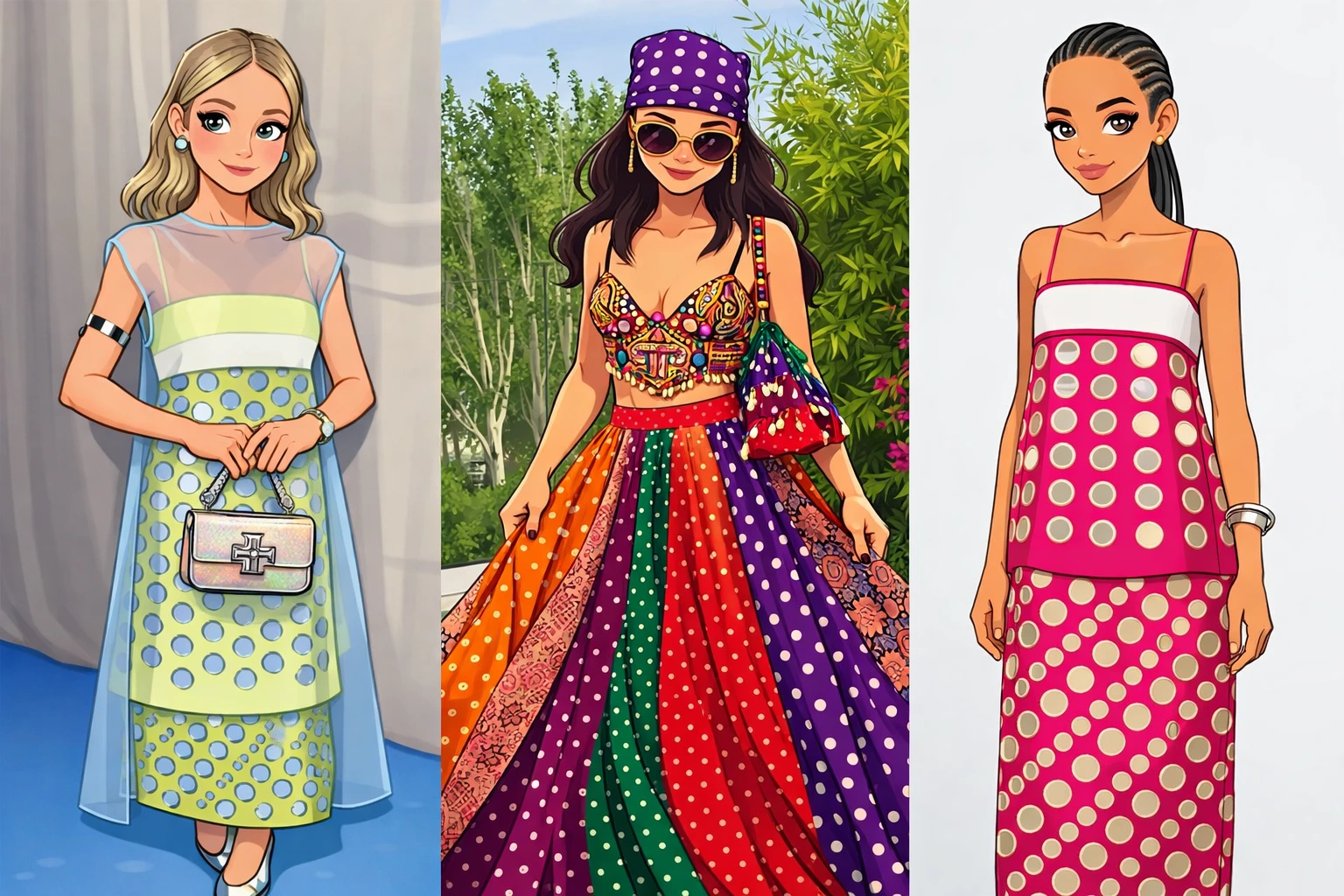
Designer Toby Burch did acknowledge the Indian roots of the technique, but credit doesn’t always equal craftsmanship. Burch’s widely discussed ‘mirror embroidered tunic’ tends to look more like misguided ‘festive look’, it feels less ‘global craftsmanship’ and more DIY with sequin from a craft store.
The debate around cultural recognition versus appropriation is more urgent than ever, especially as fashion brands profit traditions without crediting their origins. So why are we still ignored by West.
Why did Western fashion overlook Indian Style for so long ?
Indian textiles and silhouettes were often labelled as “craft” or “ethnic” instead of “luxury” or “modern“, which pushed them to margins instead of being celebrated as global fashion. Just like dungarees (dungri), indigo dye, Madras checks, cummerbund, saree-inspired drapes, kurta & Nehru collar, Kolhapuri chappals; all these iconic fashion and cultural items originated in India but were later modified and rebranded by Others. Its not that we were always ignored, our fashion was often loved but modified for textile difference and comfort difference.
Why Kolhapuri chappals not ‘toe ring sandals’ ?
Prada in their runway first said that the footwear is ‘toe ring sandals’ instead of mentioning what really the craft was and from where it inspired them. And even us before this controversy did not know the full story, here are few facts and updates you might like.
- Origin : Kolhapuri chappals are handmade leather sandals from Indian state Maharashtra.
- Craftsmanship : Known for durability, organic look, cultural symbolism.
- Global Appeal : Timeless, minimalist design the clean open design fits easily into many fashion styles and fits into current luxury trend of “heritage-inspired” and “slow fashion”.

What happened next : Pressure on Prada over the ‘toe ring sandals’ began almost immediately after their runway. What triggered it was a wave of criticism from Indian social media, artisan communities and fashion journalist who pointed out the sharp contrast between the sandals’ humble origin and Prada’s luxury pricing. Then Prada officially admitted that the sandals were inspired by Kolhapuri chappals and announced plans to engage in dialogue and explore collaboration with Indian artisans.
Irony of buying back our own Art :
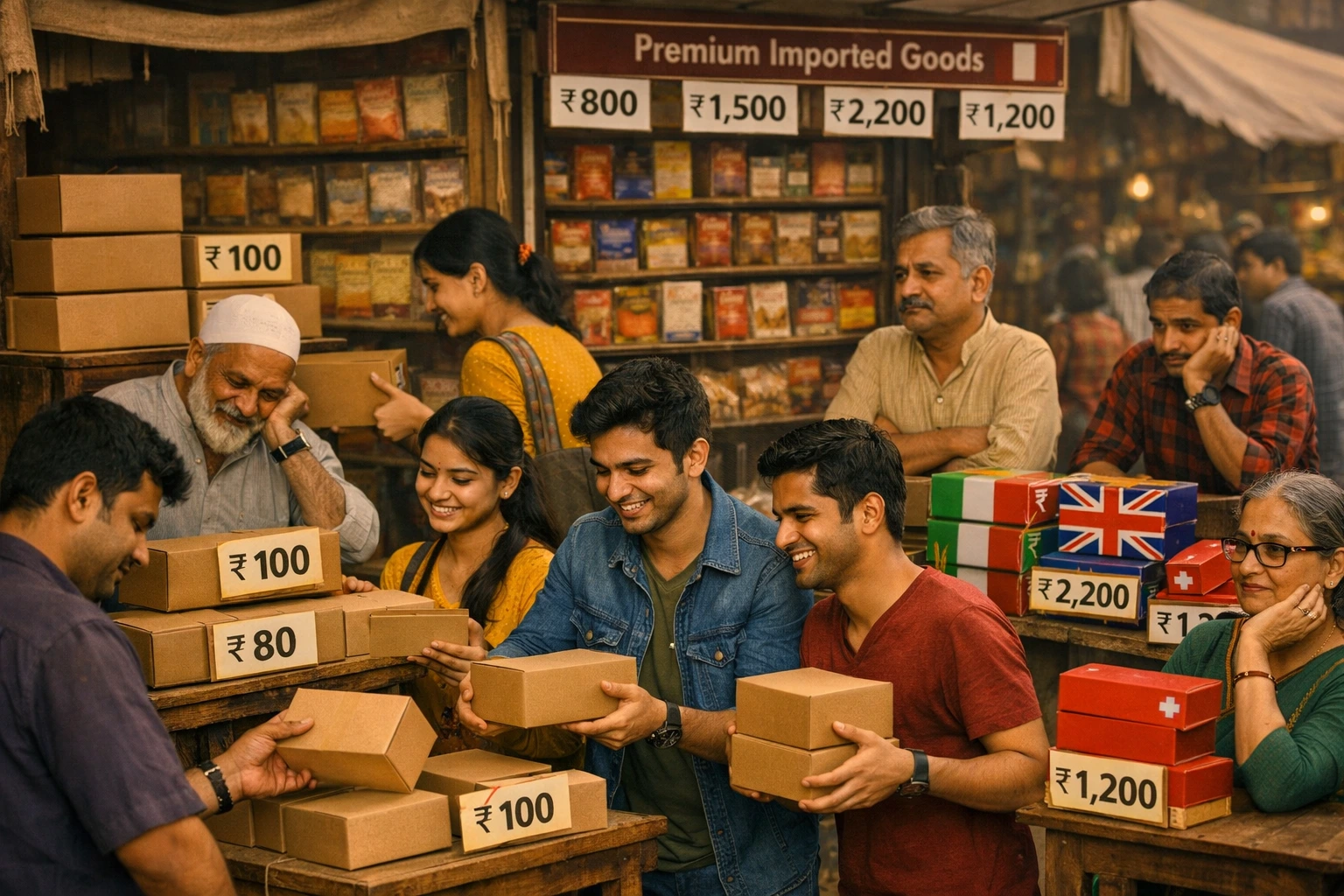
Why is it that we only respect our culture when the West copies it and sells it back to us for lakhs. Crafts that are seen as ordinary, outdated or too local at home suddenly gain prestige once Western fashion houses repackage them as luxury. What is ignored in Indian market is celebrated overseas, only to be sold back to us with hefty price tags. This mindset reflects deeper issue : a lack of pride in indigenous creativity until it is stamped with western validation.
End note : Pride in Origins
Fashion can be a bridge between cultures but only if it honors the origin it draws from. Its time we stop waiting for others to tell us the value of what is already ours. Respect for heritage must begin at home – only when we cultivate pride in our own creativity in the way we wear it, speak of it and support the artisans who keep it alive. Then the world will be compelled to follow our lead, not dictate it to us.
FAQs
We feel conflicted- proud that our heritage is admired globally, yet frustrated that it gains prestige only when repacked abroad and sold at luxury prices. And now we know how much style contribution we have done.
Indian crafts emphasize natural material, handwork, longevity- values that align with the West’s growing interest in slow fashion and eco-friendly living.
Absolutely. designers like Sabyasachi, Rahul Mishra, Anita Dongre have defined Indian couture as globally relevant, merging tradition techniques with contemporary silhouettes that resonate with international audiences.
 Shreyan
 Kavya
Kavya