
The launch of Nvidia’s DLSS 5.0 wasn’t just another incremental upgrade in gaming tech—it triggered a debate that cuts straight to the core of how modern games are created and experienced. What was once a tool designed to boost performance has now evolved into something far more disruptive: an AI system capable of reshaping how a game actually looks on your screen.
At first glance, DLSS 5 promises everything gamers want—higher frame rates, sharper visuals, and next-level realism. But beneath that surface lies a growing concern: if AI is no longer just enhancing frames but actively altering them, where do we draw the line between optimization and manipulation? Developers, artists, and players are starting to question whether this technology improves games—or quietly overrides the creative intent behind them.
In this blog we’ll talk about why DLSS 5 isn’t being celebrated the way previous versions were. It’s not just a technical upgrade anymore—it’s a shift in control, and not everyone is comfortable with who’s holding it.
1. It messes with artistic intent (this is the biggest issue)
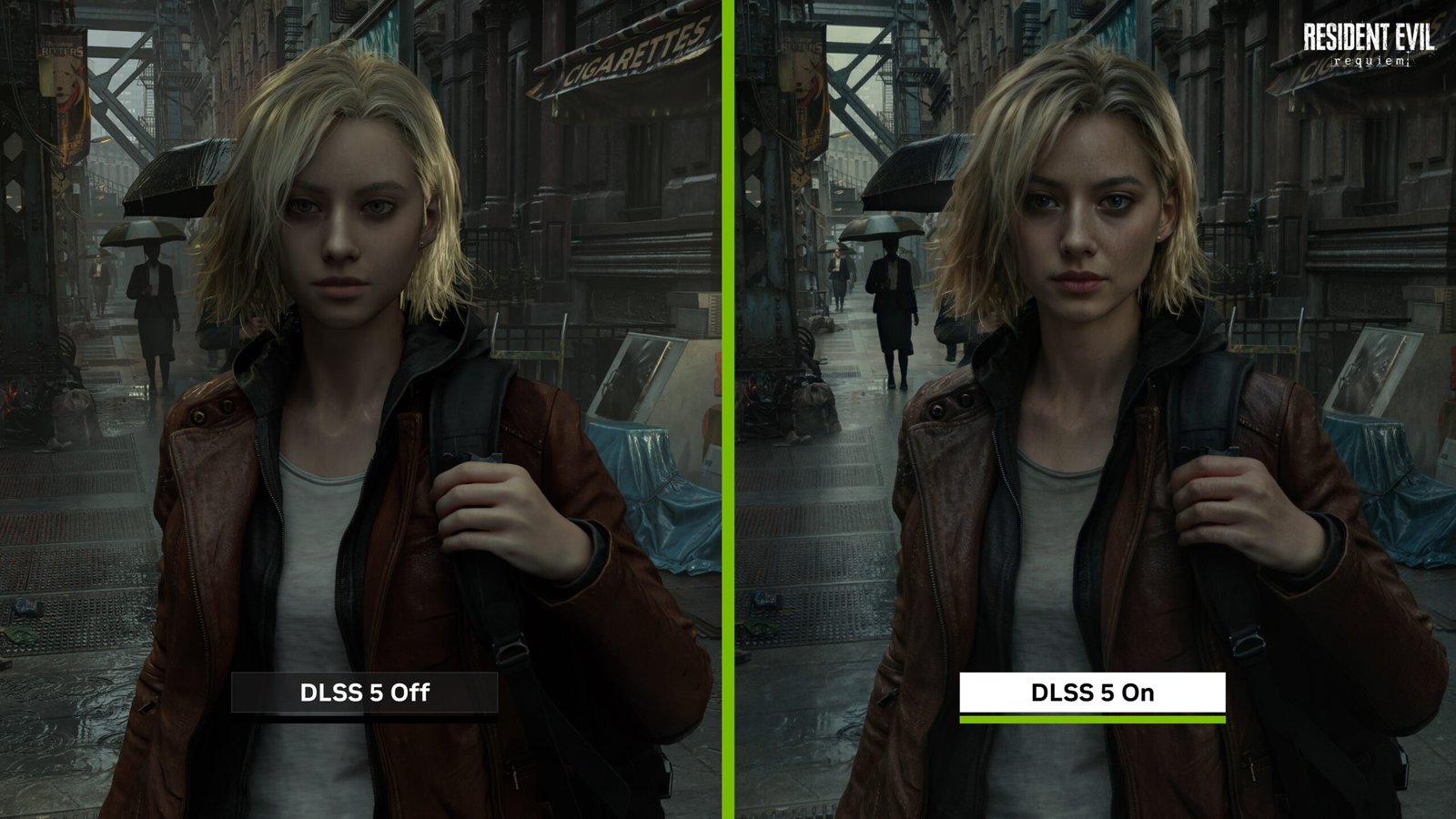
(Credit: Nvidia & Capcom)
Earlier DLSS = upscale + sharpen
DLSS 5 = AI re-renders parts of the image
That’s not a small change.
●Critics say it alters lighting, faces, and textures beyond what developers originally designed.
●In some demos, characters looked “beautified” or inconsistent with the game’s tone.
●People compare it to “AI filters” or “Instagram effects” on games.
2. “AI slop” criticism (uniform, soulless visuals)
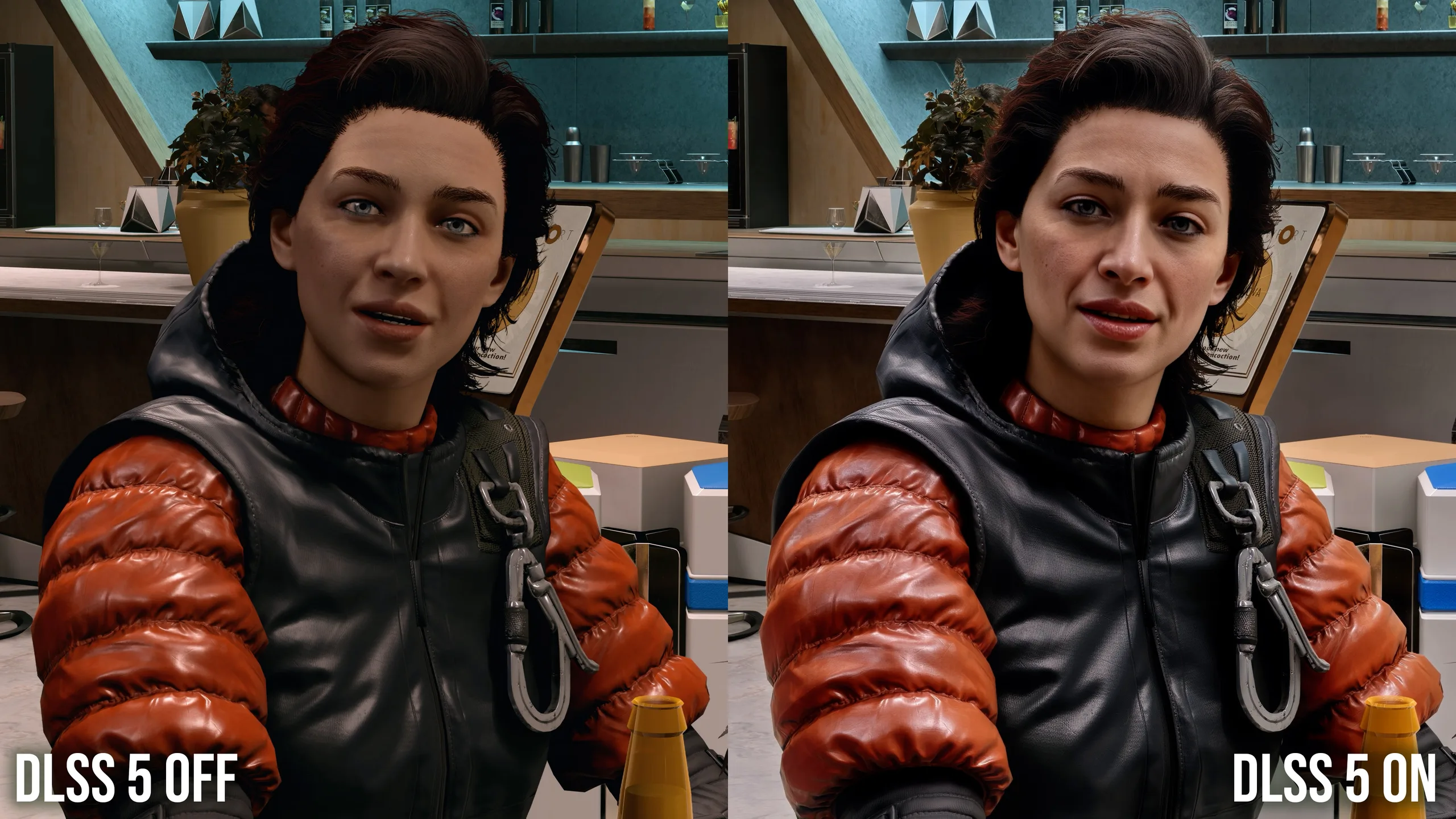
(Credit: XDA Developers)
●A lot of gamers are calling DLSS 5 output:
●“AI slop”
●“homogenized visuals”
This happens because:
●The AI is trained on generalized data
●It tends to optimize for clarity and realism, not style
Result: Stylized games risk becoming generic-looking realism machines.
3. It’s not just enhancing frames—it’s generating them differently.
DLSS 5.0 uses Neural rendering, not just upscaling
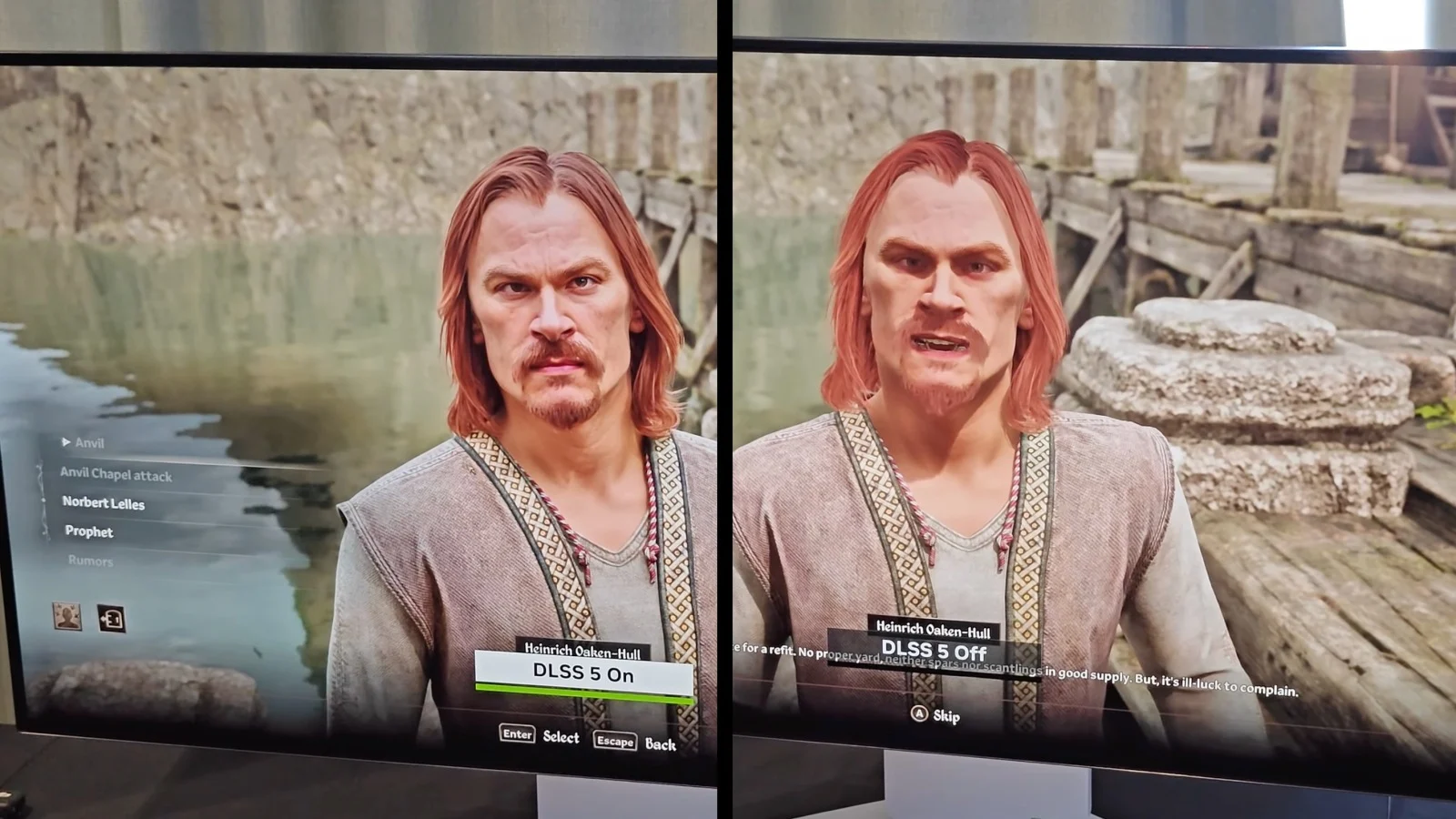
(Credit: PCMag)
That means:
- It fills in or reconstructs visual details.
- It can create things that were never rendered by the game engine
Critics argue:
- That’s basically “fake frames 2.0” on steroids
- It blurs the line between real-time rendering and AI hallucination
4. Developers weren’t even properly informed (huge red flag)
This is where it gets messy:
- Some developers (Ubisoft, Capcom) reportedly didn’t know their games were used in DLSS 5 demos.https://www.windowscentral.com/hardware/nvidia/even-the-studios-highlighted-in-nvidias-dlss-5-reveal-were-shocked?utm_source=chatgpt.com
That screams:
- Lack of transparency
- Possible misuse of developer content
If the people making the games aren’t fully on board, that’s not innovation—that’s corporate overreach.
DLSS 5 isn’t a simple win or loss—it’s a warning sign. Nvidia is pushing gaming into an AI-driven future faster than the industry is ready to handle, and that’s exactly why the reaction is so divided. The technology itself is undeniably powerful, but power without clear boundaries creates friction.
If DLSS 5 stays optional and under developer control, it could become one of the most important breakthroughs in gaming performance. But if it starts overriding artistic direction or becomes a hidden requirement for modern games to run properly, it risks damaging the very experience it claims to improve.
The hard truth is this: DLSS 5 isn’t controversial because it fails—it’s controversial because it challenges who gets the final say in how games look and feel. And until that question is answered clearly, the debate around it isn’t going anywhere.
 Amisha26