

📍 Introduction
The rise of AI has changed how content is created. Blogs, articles, and webpages can now be generated in minutes instead of hours. This has led to a common question among creators and marketers: how does Google understand content in the age of AI?
Many people believe Google is either confused by AI or completely against it. In reality, neither is true. Google doesn’t focus on how content is created—it focuses on why it exists and how useful it is for users.
This article explains, in simple terms, how Google understands, evaluates, and ranks content today, even when AI is involved.
🧠 Google Does Not “Read” Content Like Humans
Google doesn’t read content the way humans do. It doesn’t understand emotions, opinions, or creativity in a human sense. Instead, it analyzes content through patterns, signals, and context.
Google looks at:
- Topic relevance
- Search intent match
- Content structure
- User behavior signals
AI-written or human-written content goes through the same evaluation process.

🔍 Search Intent Is the Foundation
One of the most important ways Google understands content is through search intent.
Search intent answers one question:
👉 What is the user actually trying to find?
Google categorizes intent into types such as:
- Informational
- Navigational
- Commercial
- Transactional
If content doesn’t satisfy the intent behind a query, it will not rank—no matter how well-written it is.
This is why AI content that simply fills words without purpose often fails.
📊 How Google Uses Signals to Evaluate Content
Google relies on thousands of signals to evaluate content quality. Some of the most important include:
- Content depth and completeness
- Topical relevance
- Internal and external links
- Page experience and usability
AI-generated content that lacks originality, clarity, or usefulness sends weak signals and struggles to perform.
🧩 Understanding the Helpful Content System
Google’s Helpful Content System is designed to prioritize content written for people, not just for rankings.
Helpful content:
- Answers real questions
- Demonstrates understanding of the topic
- Avoids fluff and repetition
- Feels complete and satisfying
Content created only to attract traffic—whether by humans or AI—is likely to perform poorly.
🤖 Does Google Penalize AI Content?
A common myth is that Google automatically penalizes AI-generated content. This is not true.
Google has clearly stated that:
- AI content is allowed
- Low-quality content is not
If AI is used responsibly—to assist research, structure, or clarity—it does not harm rankings. Problems arise when AI is used to mass-produce shallow or misleading content.
🧠 Why Human Input Still Matters
AI can generate text, but it cannot:
- Share real experience
- Apply judgment
- Understand nuance fully
Google values experience, expertise, and trust. Content that reflects human insight—examples, reasoning, perspective—sends stronger quality signals.
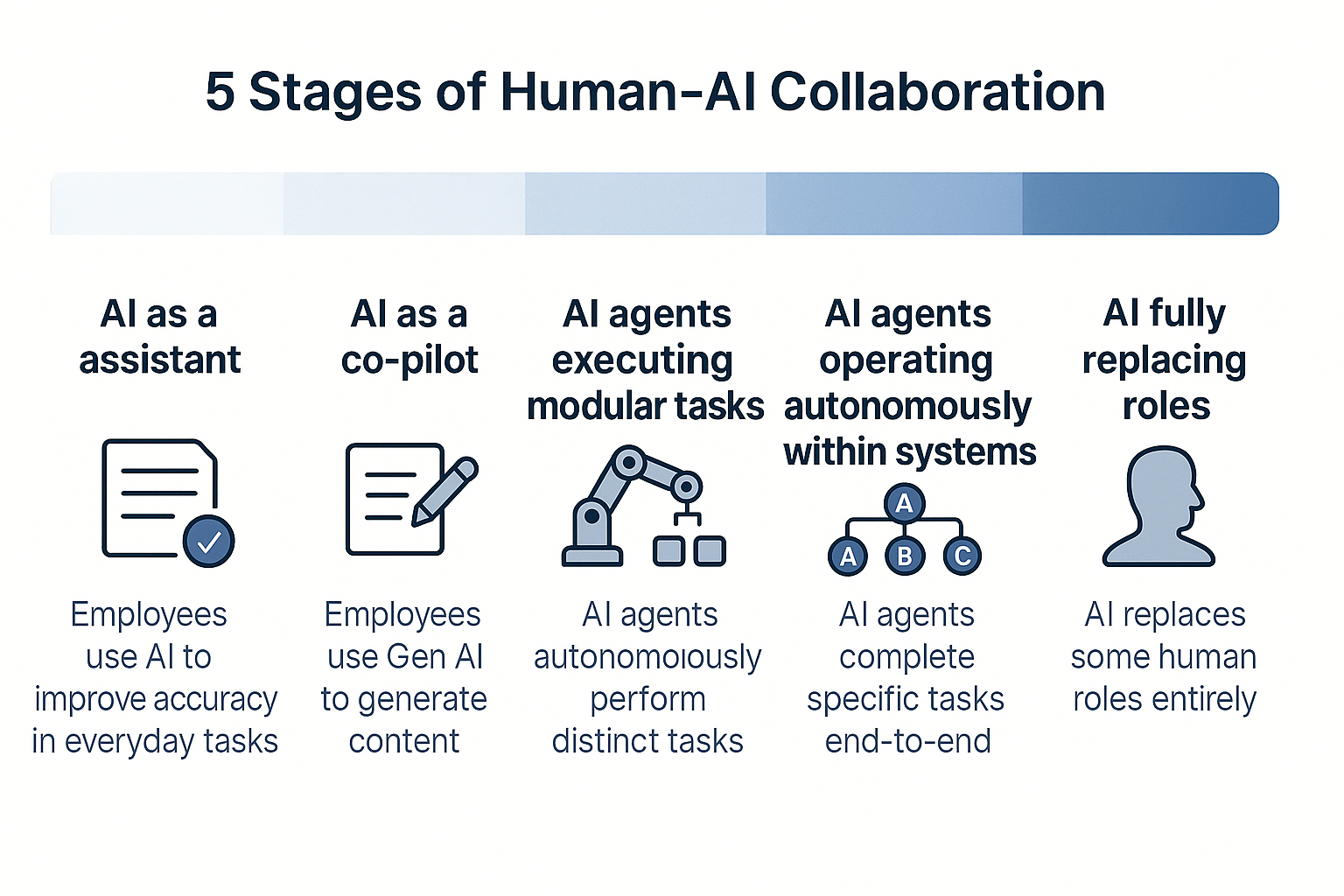
The best-performing content today often combines AI efficiency with human thinking.
🌍 What This Means for Creators and Marketers
In the age of AI:
- Writing faster is not enough
- Publishing more is not better
- Understanding users matters most
Creators who focus on solving problems and answering questions will continue to succeed, regardless of whether they use AI.
✨ Final Thoughts
Google’s ability to understand content has not weakened because of AI—it has become more refined.
Google doesn’t judge content by its creator, but by its value to users. AI is simply a tool. How it is used determines whether content succeeds or fails.
Understanding this shift is essential for anyone creating content in the modern web.
 Sobhanginim
 Sambitp