
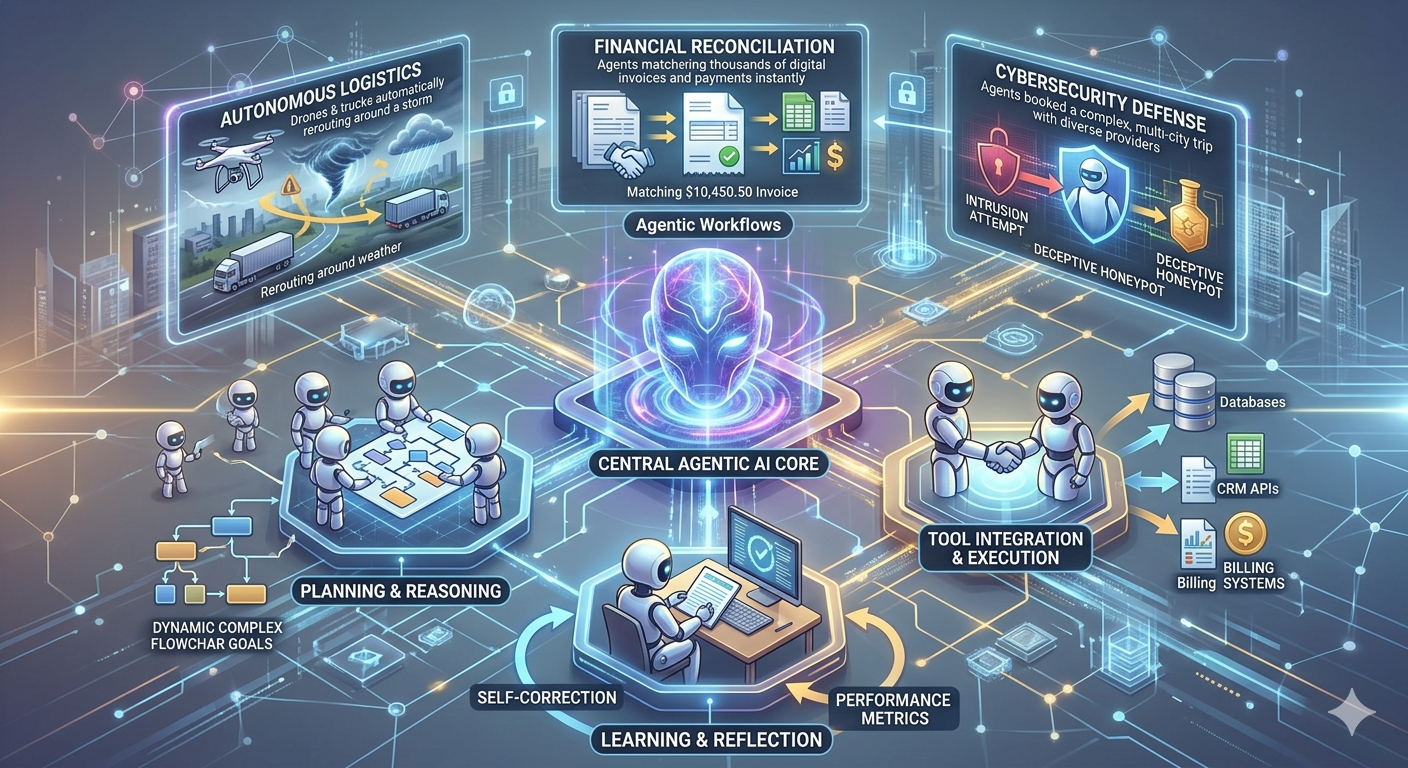

What Is Agentic AI?
A new wave of AI systems that don’t just respond — they plan, decide, and act. Here’s what makes them different, why they matter, and where they’re already changing industries.
For most of its history, AI has been reactive: you ask a question, it returns an answer. Chatbots, search engines, recommendation algorithms — they all wait for a prompt, then respond in a single turn. Agentic AI breaks this pattern.
An AI agent is a system that can perceive its environment, reason about goals, make multi-step plans, use tools, and take action — often without waiting for human approval at every step. Think of it less like a calculator and more like a capable colleague who can be given an objective and trusted to figure out the “how.”
What Makes AI “Agentic”?
Goal-oriented planning
Rather than responding to a single prompt, agents decompose a high-level objective into sub-tasks, sequence them, and adapt the plan as new information emerges.
Tool use
Agents call APIs, query databases, write files, browse the web, or execute code — extending their capabilities far beyond text generation.
Memory & context
They maintain short-term working memory for the current task and, increasingly, long-term memory that persists across sessions — learning from past interactions.
Autonomous decision-making
Within defined guardrails, agents decide what to do next without asking for human confirmation on every step. The human sets the goal; the agent charts the course.
Self-correction
When an action fails or produces unexpected results, agentic systems can detect the error, reason about what went wrong, and try an alternative approach.
How Agentic Systems Work
At a high level, most agentic architectures follow a loop:
- Perceive
The agent ingests the current state — user instructions, environment data, tool outputs, or feedback from prior steps. - Reason
A large language model (or ensemble) interprets the situation, evaluates options, and selects the next action. - Act
The agent executes — calling a tool, writing code, sending a message, or updating a record. - Reflect
It evaluates the result. Did the action succeed? Is the overall goal closer? Should the plan change?
This loop repeats — sometimes dozens of times — until the goal is met or the agent decides it needs human input. Frameworks like LangGraph, CrewAI, and AutoGen provide the scaffolding to orchestrate these loops reliably.
Real-World Use Cases
Agentic AI is already deployed across industries — not as a futuristic concept, but as production infrastructure handling real workloads.

Software Development
Agents that write, test, debug, and deploy code autonomously — from understanding a ticket to shipping a pull request with minimal human review

Healthcare Operations
Patient triage bots that gather symptoms, cross-reference medical records, schedule appointments, and flag emergencies — all without human scheduling staff.

E-Commerce & Support
Agents that handle returns, track shipments, process refunds, and proactively reach out when a delivery is delayed — replacing multi-step support workflows.
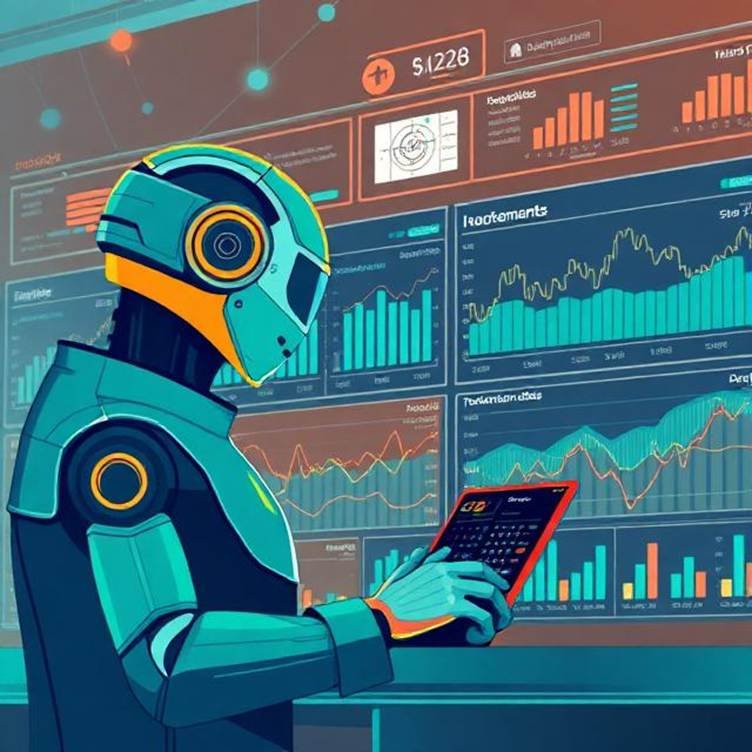
Financial Services
Autonomous compliance agents that monitor transactions, flag suspicious patterns, compile regulatory reports, and adapt to new regulations as they’re published.

Supply Chain & Logistics
Planning agents that monitor inventory, predict demand shifts, negotiate with suppliers, and reroute shipments in real time when disruptions occur.
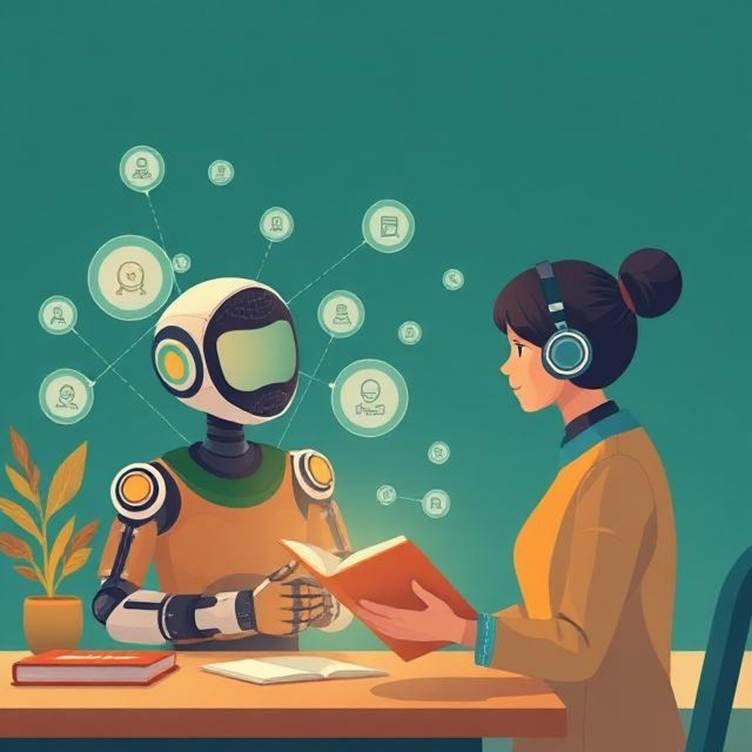
Education & Research
Personalized tutoring agents that assess a learner’s gaps, curate materials, generate practice problems, and adjust difficulty — acting as a tireless teaching assistant.
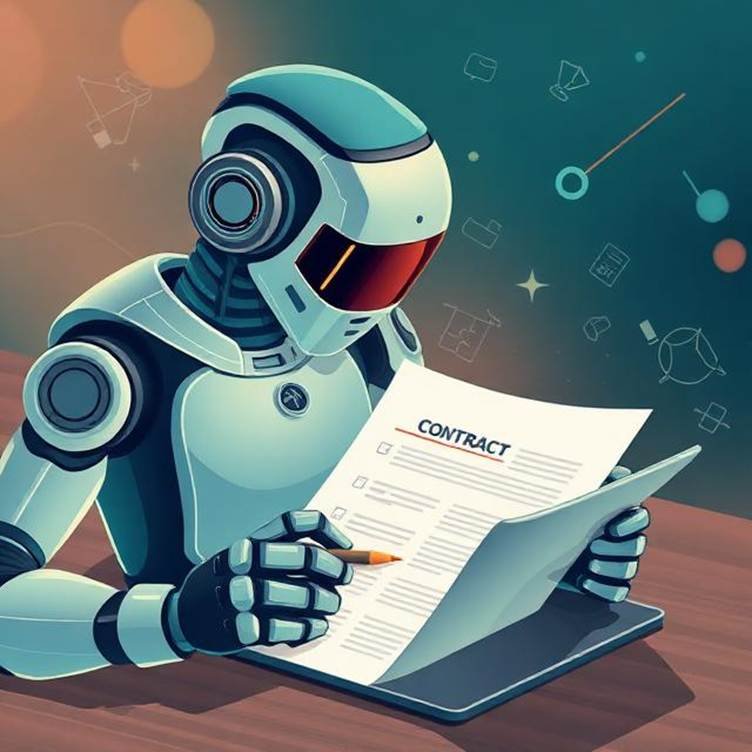
Legal & Compliance
Contract review agents that extract clauses, flag risks, compare against templates, and suggest edits — compressing days of paralegal work into minutes.

IT Operations (AIOps)
Infrastructure agents that detect anomalies, diagnose root causes, apply patches, scale resources, and write postmortems — keeping systems healthy around the clock.
Challenges & Considerations
Reliability. Agents can compound errors across steps. A wrong API call early in a chain can cascade. Robust evaluation, human-in-the-loop checkpoints, and graceful fallback strategies are essential.
Safety & alignment. Giving AI the power to act raises the stakes. Clear permission boundaries, audit logs, and the ability to halt an agent mid-execution are non-negotiable in production systems.
Cost. Multi-step reasoning with large models is computationally expensive. Each loop iteration incurs inference costs, making efficient architecture and caching strategies commercially important.
Observability. When an agent takes 47 steps to reach a conclusion, debugging failures requires detailed tracing — not just input/output logging. Tools like LangSmith and Arize are emerging to fill this gap.
Where This Is Headed
The trajectory is clear: AI systems are moving from tools you use to colleagues you delegate to. The organizations adopting agentic AI today aren’t replacing humans — they’re amplifying them, freeing people from repetitive multi-step workflows so they can focus on judgment, creativity, and strategy.
The question isn’t whether agentic AI will reshape your industry. It’s whether you’ll be the one shaping how it’s deployed — or reacting to someone who already did.
Frequently Asked Questions (FAQ) About Agentic AI
What is Agentic AI?
Agentic AI refers to advanced artificial intelligence systems that can act independently, make decisions, and complete tasks without constant human input.
How is Agentic AI different from Generative AI?
Generative AI creates content, while Agentic AI takes actions and completes multi-step tasks autonomously.
What are the main use cases of Agentic AI?
Use cases include business automation, personal assistants, software development, healthcare, cybersecurity, and research.
How does Agentic AI work?
It works using machine learning, decision-making systems, memory, and feedback loops following the cycle: Perceive → Decide → Act → Learn.
Is Agentic AI safe to use?
Yes, if implemented with proper oversight, ethical guidelines, and security controls.
What industries benefit most from Agentic AI?
Industries like IT, healthcare, finance, e-commerce, and manufacturing benefit greatly.
Can Agentic AI replace human jobs?
It mainly augments human work by automating repetitive tasks rather than fully replacing jobs.
What are examples of Agentic AI in real life?
Examples include AI workflow agents, autonomous trading systems, and smart assistants handling complex tasks.
What are the challenges of Agentic AI?
Challenges include ethical concerns, lack of transparency, and risk of unintended actions.
What is the future of Agentic AI?
The future includes autonomous businesses, better decision-making, and widespread intelligent automation.
 Gyanaranjan
 Armans
 Sambitp